How to Choose the Best Plasma Torch for Your Needs?
Choosing the right Plasma Torch is crucial for effective cutting and welding. With the global plasma cutting market expected to reach $2.5 billion by 2025, understanding your options is vital. The selection process can be overwhelming due to various features and capabilities available.
Industry reports suggest that not all plasma torches are created equal. Factors like power output, duty cycle, and technology type significantly influence performance. A plasma torch suited for heavy industrial tasks may not be ideal for home projects. As the needs of each user vary, it's essential to evaluate specific requirements carefully.
Many buyers overlook compatibility with existing equipment. This oversight can lead to inefficiency and frustration. Additionally, customer reviews and expert recommendations provide valuable insights. However, not every recommendation is applicable. It's essential to test the torch under real-world conditions before committing to a purchase. Making an informed decision requires time and research, but the benefits are well worth the effort.
Understanding Plasma Torch Technology and Its Applications
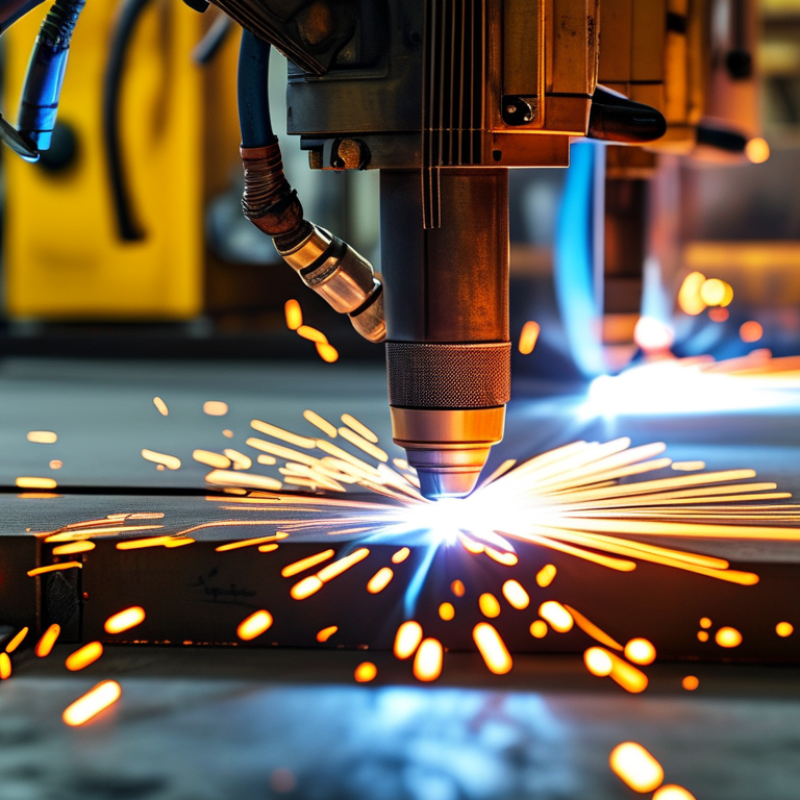
Plasma torch technology has become a pivotal tool in various industries, including metal fabrication and art. It works by creating a high-temperature plasma arc, which can melt or cut through materials. The core of this technology involves the ionization of gas, typically air or inert gases, allowing for precise control in applications such as welding or cutting. Understanding how this process works can help you determine its suitability for your specific needs.
The applications of plasma torches extend beyond mere industrial uses. They are popular in sculpture and design, where artists manipulate materials creatively. However, the learning curve can be steep. Many users face challenges in achieving consistent results. It’s essential to practice regularly and adjust settings based on material types. Knowing the right techniques can improve efficiency and finish quality. Yet, even skilled users encounter issues at times. Reflecting on these hurdles can lead to improved outcomes in future projects.
As plasma torch technology continues to evolve, staying updated on advancements is crucial. New features and improvements can significantly enhance performance. However, not all upgrades are suited for every user. Consider your unique requirements before making decisions. Balancing innovation with practical needs will guide you toward the best plasma torch for your applications.
Key Factors to Consider When Selecting a Plasma Torch
Selecting the right plasma torch involves careful consideration of several factors. First, the power rating is crucial. A higher amperage allows for cutting thicker materials. According to industry reports, a machine with a 40-amp capability can handle materials up to 1/2 inch thick with a clean finish. However, if you often work with thinner metals, opting for a lower amperage torch might suffice.
Next, gas type plays a significant role in the performance of a plasma torch. Compressed air is common but may not be ideal for all applications. Some professionals report that using argon-hydrogen mixtures can lead to sharper cuts. Although these gases are costlier, the precision improvements may justify the expense. It’s worth reflecting on your usage requirements and budget when making this choice.
Additional factors include the torch's weight and ergonomics. A lightweight torch can reduce fatigue during prolonged use. Users often overlook comfort, but an ergonomic design minimizes strain and increases efficiency. Investing in a torch that feels right in your hand can greatly enhance your cutting experience. Industry surveys indicate that user comfort leads to a 30% increase in productivity over time.
How to Choose the Best Plasma Torch for Your Needs?
This chart displays key specifications to consider when selecting a plasma torch, including cutting thickness, max output power, air consumption, weight, and price.
Types of Plasma Torches: Which One Is Right for You?
Choosing the right plasma torch involves understanding the various types available. Plasma torches can vary in design and application. Typically, there are air plasma, water-cooled, and high-frequency models. Air plasma torches are popular for DIY projects due to their affordability and ease of use. However, they may struggle with thicker materials.
Water-cooled torches are often preferred in industrial settings. A report from the American Welding Society indicates that water-cooled systems offer longer usage times and better heat management. This feature makes them ideal for heavy-duty tasks, yet they can be more complex to maintain. High-frequency plasma torches, on the other hand, can start the arc without direct contact. This can be a game-changer for intricate cuts, but users may find them intimidating initially.
It’s crucial to consider the specific requirements of your projects. A plasma torch that excels in one area may not meet the demands of another. Often, users report underestimating the importance of duty cycles. This can lead to frustrations with overheating during prolonged use. Understanding each torch's specifications can help avoid potential pitfalls. Always evaluate your operational conditions to ensure the selected torch aligns with your goals.
Evaluating Plasma Torch Performance and Features
When evaluating plasma torch performance and features, there are key aspects to consider. Look for the torch's cutting capacity, which indicates how thick of material it can handle. A typical plasma torch can cut metals from 0.5 inches to several inches thick, depending on its power output. According to industry reports, a plasma torch with a higher amperage offers faster cutting speeds and better precision.
User comfort and ease of handling are also essential. A torch that feels balanced and lightweight can reduce fatigue during long cutting sessions. Ergonomics play a vital role in user experience. Many consumers report that improper balance leads to inaccurate cuts and increased physical strain. Regular maintenance and familiarity with the torch's features contribute significantly to optimal performance.
A good practice is to assess the torch’s built-in safety features. Automatic shut-off, thermal overload protection, and adequate insulation help ensure operator safety. Such features may seem trivial but can prevent major accidents. Choosing a model without these safeguards may leave users vulnerable to mistakes.
Focus on these aspects when selecting a plasma torch. It can greatly impact both productivity and safety. Continuing to educate oneself about new advancements in plasma technology can further enhance efficiency and performance in metalworking tasks.
Maintaining Your Plasma Torch for Longevity and Efficiency
Maintaining your plasma torch is crucial for ensuring its longevity and efficiency. Regular maintenance can prevent costly repairs and ensure optimal cutting performance. Studies show that a well-maintained plasma torch can extend its life by up to 40%. This can significantly reduce operational costs over time.
Cleaning the torch head after each use is essential. Residual slag and spatter can affect the arc quality, leading to poor cuts. Professionals recommend inspecting the electrode and nozzle regularly. Replacing these components when they show wear can maintain efficiency. Even slight deterioration in these parts can lead to a drop in cutting speed by as much as 20%.
Another important aspect is ensuring proper cooling. A plasma torch generates considerable heat during operation. If not adequately cooled, components can warp or fail. It’s wise to allow the torch to cool down properly after each use. This simple step can improve overall performance and reliability. Taking these measures ensures your plasma torch remains in peak condition, allowing you to tackle projects effectively and efficiently.
 English
  Français