What is a CNC Plasma Table and How Does it Work?
A CNC Plasma Table is a powerful tool used in metal fabrication. It combines precise computer control with plasma cutting technology. This machine significantly increases efficiency and accuracy in cutting various materials. Users can create complex shapes and designs that are often challenging with traditional methods.
Understanding how a CNC Plasma Table works is vital for anyone involved in manufacturing or design. The process involves converting digital designs into physical cuts. It uses a high-velocity jet of ionized gas to melt and blow away metal. Even beginners can achieve professional results with practice.
Despite its advantages, a CNC Plasma Table requires skill and knowledge. Mistakes can lead to wasted materials and time. Users must be aware of the potential hazards associated with operating this machinery. Learning from failures is essential for mastering the craft.
What is a CNC Plasma Table?
A CNC plasma table is an advanced tool used in metal fabrication. This system utilizes plasma cutting technology to precisely cut various materials, particularly metals, with high speed and accuracy. In 2020, the global CNC plasma cutting machine market was valued at approximately $3 billion, indicating its growing importance in manufacturing and metalworking sectors.
The CNC (Computer Numerical Control) system allows for automated cutting. This increases efficiency and reduces labor costs. Operators can input designs directly into the system. It translates these designs into movements for the plasma torch. Typical applications include creating intricate parts for industries like automotive, aerospace, and construction. Still, achieving the desired cut quality can be challenging. Factors such as material thickness and torch height must be carefully calibrated.
One notable detail is the abilities of a CNC plasma table to manage various materials. It can work with metals like steel, aluminum, and copper. However, while plasma cutting provides sharp and clean cuts, it may not meet all requirements for heavier materials. Understanding these limitations is crucial for effective use. Operators often note the need for continuous skill improvement to maximize the potential of this technology.
Components of a CNC Plasma Table
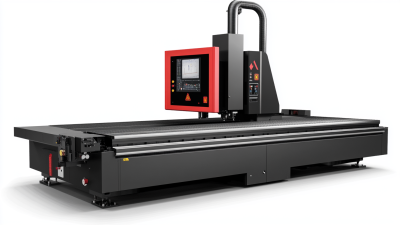
A CNC plasma table is a sophisticated tool used for cutting metal sheets. The essential components drive its operation and determine its efficiency.
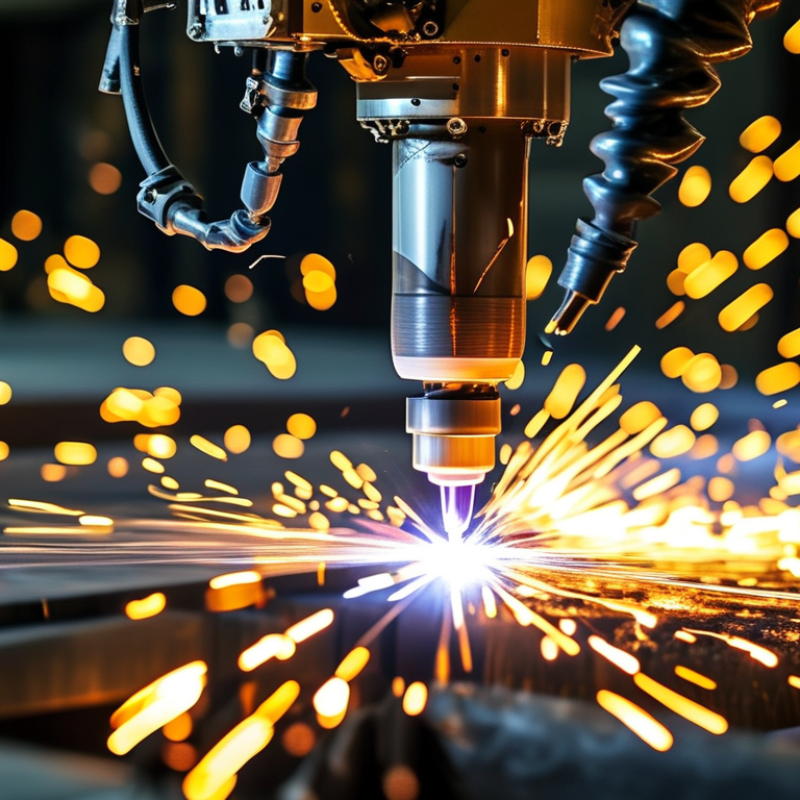
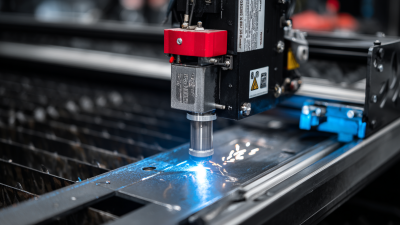
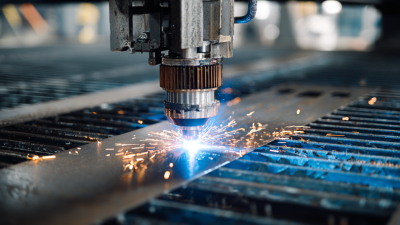
At the heart of a CNC plasma table is the plasma torch, which converts electrical energy into a high-temperature jet of ionized gas.
This torch can reach temperatures exceeding 20,000 degrees Fahrenheit, making it ideal for slicing through various metals.
Another crucial part is the CNC system. This technology assists in precisely guiding the plasma torch across the material.
Research indicates that using CNC systems can improve cutting accuracy by up to 50%.
Additionally, the table itself is equipped with a durable surface to withstand the intense heat and sparks created during cutting.
It often includes clamps or fixtures to secure the metal sheets during operation.
Another important component is the software. Specialized software allows users to create cut paths and manage machine settings.
Many industry reports highlight that utilizing advanced software can significantly enhance productivity,
with some users reporting workflow improvements of up to 30%. Despite its advantages, operators must remain vigilant;
any tool can become inefficient without regular maintenance.
Understanding each component's role ensures a reliable and effective cutting experience.
How Does a CNC Plasma Table Operate?
CNC plasma tables represent a key advancement in metal fabrication technology. These systems utilize a plasma arc to cut through conductive materials like steel, aluminum, and copper. The process is precise and efficient, allowing for intricate designs to be created quickly. Reports indicate that CNC plasma cutting can achieve tolerances of ± 0.01 inches, making them suitable for high-quality applications.
The operation of a CNC plasma table begins with a computer-aided design (CAD) file being loaded into the machine. Once set up, the table’s gantry moves the plasma torch along predetermined paths. Sensors monitor the arc length, ensuring consistent cutting depth. The plasma stream reaches temperatures up to 30,000°F, making it possible to sever materials up to several inches thick. Data from industry studies suggest that this cutting method improves productivity by up to 75% compared to traditional methods.
While CNC plasma tables are powerful tools, their use does come with challenges. Proper training is crucial for operators to minimize the risk of accidents. An estimated 20% of operators report issues with maintaining equipment and ensuring accuracy over time. Additionally, managing the generated smoke and fumes requires proper ventilation solutions, a detail often overlooked in the setup phase. Addressing these factors can lead to a more beneficial operational environment.
CNC Plasma Table Performance Metrics
This chart illustrates various performance metrics of a CNC plasma table, providing insights into cutting speed, material thickness compatibility, cut quality, power consumption, and operating costs.
Applications of CNC Plasma Tables in Industry
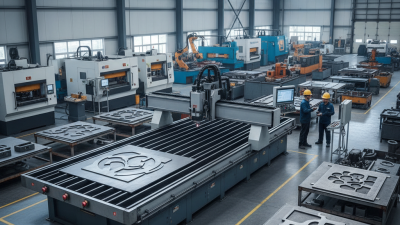
CNC plasma tables are versatile tools widely used across various industries. These machines efficiently cut through metals with high precision, making them essential in manufacturing, automotive, and construction sectors. They utilize a plasma cutting process, which involves ionized gas to melt and sever metal materials. The result is clean cuts and intricate designs that are difficult to achieve through traditional methods.
In manufacturing, CNC plasma tables excel in creating parts for machinery. They enable designers to produce components quickly while maintaining accuracy. The automotive industry benefits significantly, relying on these tables for cutting sheet metal parts and custom designs. Construction companies also use them for making structural elements, such as beams and supports.
Tips: Regular maintenance of the CNC plasma table ensures better performance. Always check for wear in components like nozzles and filters. As industries evolve, embracing CNC technology can drive efficiency. However, workers should also consider the learning curve involved. Adopting new techniques can lead to mistakes and setbacks, but these experiences foster growth.
Another point to consider is the cost implication. While CNC plasma tables can be a large investment, they save on labor and material waste over time. Investing in training for staff is essential to maximize the benefits of these machines. The journey to mastery can be challenging but is ultimately rewarding.
What is a CNC Plasma Table and How Does it Work? - Applications of CNC Plasma Tables in Industry
| Application |
Industry |
Advantages |
Material Compatibility |
| Metal Cutting |
Manufacturing |
High Speed, Precision |
Steel, Aluminum |
| Artwork and Signmaking |
Creative Industries |
Customization, Aesthetic Design |
Copper, Brass |
| Prototype Development |
Engineering |
Flexibility, Rapid Turnaround |
Mild Steel, Stainless Steel |
| Automotive Parts Fabrication |
Automotive |
Cost-Effective, High Efficiency |
Aluminum, High-Strength Steel |
| Structural Fabrication |
Construction |
Durability, Accurate Cuts |
Carbon Steel, Alloy Steel |
Advantages of Using CNC Plasma Tables for Fabrication
CNC plasma tables are revolutionary tools in the fabrication industry. They utilize a high-precision cutting method that combines computer numerical control (CNC) with plasma arc technology. This combination allows manufacturers to cut metal with remarkable accuracy. The benefits are clear when comparing traditional cutting methods to CNC plasma cutting.
One advantage of using CNC plasma tables is speed. They can achieve cuts quickly, saving valuable production time. This fast cutting process enhances efficiency in fabrication environments. Another key benefit is versatility. These tables can handle various materials, such as steel, aluminum, and copper. This flexibility caters to diverse project requirements and helps meet specific customer demands.
Despite these benefits, challenges exist. Operators need training to use CNC plasma tables effectively. Issues like material distortion can arise if settings are incorrect. Attention to detail is vital to ensure quality outcomes. Investing in proper maintenance is essential to avoid downtime. The balance between efficiency and care can be daunting, but the rewards are significant.
 English
  Français