Why is Schwing Popular in the Concrete Industry?
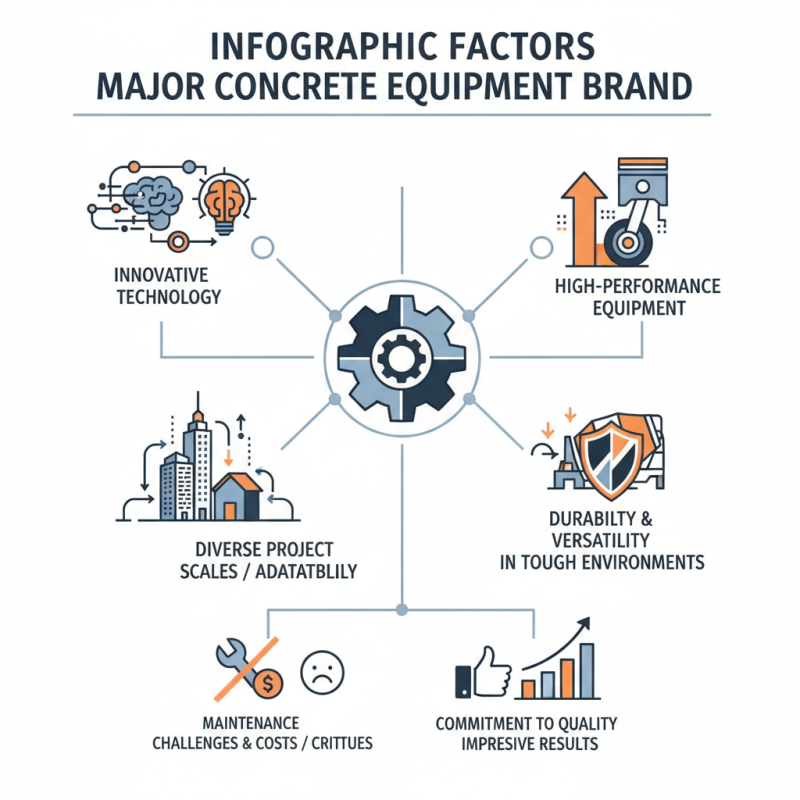
Schwing has carved a notable niche in the concrete industry. The brand stands out due to its innovative technology and high-performance equipment. Their concrete pumps and mixers are recognized for reliability and efficiency.
Schwing's machinery caters to diverse project scales. From skyscrapers to residential areas, contractors rely on their products. This adaptability makes Schwing a preferred choice. However, not all reviews are positive. Some users point out maintenance challenges and costs.
Despite these critiques, Schwing's reputation persists. Its commitment to quality and innovation is commendable. The concrete industry often requires robust solutions. In tough environments, Schwing equipment delivers impressive results. The blend of durability and versatility is noteworthy.
The Historical Development of Schwing in the Concrete Industry
Schwing has seen significant growth in the concrete industry over the years. Its journey began in the early 20th century. The company focused on innovation and quality. With each decade, it introduced new technologies. These advancements helped meet the increasing demands of construction projects. The shift towards high-rise buildings required more efficient concrete solutions.
One notable milestone was the introduction of the first mobile concrete pump. This changed how concrete was placed on job sites. It allowed for faster and more precise pouring. However, not everything has been flawless. Some projects faced challenges with equipment reliability. Users often needed to invest time in training for effective operation. Despite these hurdles, the focus on continuous improvement prevailed.
The commitment to research and development remains strong. New materials and methods keep emerging. Yet, industry demands evolve quickly. Companies must adapt to changing regulations and sustainability concerns. This landscape forces all players to reconsider their strategies. The history of Schwing highlights both triumphs and obstacles in the concrete industry.
Concrete Industry Development and Equipment Popularity
Key Innovations Offered by Schwing in Concrete Equipment
In the concrete industry, modern equipment is vital for efficiency and quality. One brand stands out for its innovative solutions. They focus on enhancing productivity while ensuring consistent output. Key features highlight their commitment to technology and user-friendliness.
Their pumps are designed for high performance. These machines can handle challenging tasks with ease. Their compact designs offer flexibility on-site, especially in tight spaces. Users appreciate the ergonomic controls, which reduce operator fatigue. Moreover, advanced mixing technologies ensure better concrete consistency. However, some operators find certain features complex to master.
Maintenance is another critical area. Equipment requires regular checks to maintain performance. While some users appreciate the accessibility of parts, others find the documentation insufficient. Addressing these concerns could improve overall satisfaction. Innovation is essential, yet continuous improvement remains a goal. It’s clear that challenges exist, but the potential for growth is significant.
Schwing's Commitment to Quality and Reliability in Concrete Solutions
In the concrete industry, reliability is essential. Companies that ensure high standards in their materials and machinery tend to succeed. Quality control becomes a foundation for strong partnerships and valued customer trust. When companies focus on delivering solid performance, they elevate their reputation.
Tips: Always check equipment regularly.
Maintenance can prevent small issues from becoming significant problems.
Commitment to quality is more than just a slogan. It involves continuous surveys, feedback, and adjustments. Workers need to feel confident in the tools they use daily. Without adequate training, even the best machinery can falter.
Consistency in output is crucial for any operation.
Tips: Invest in employee training.
Knowledge improves safety and efficiency.
Reliability in concrete solutions often stems from
rigorous testing. Not all products meet the highest standards, and some may falter in critical projects. A company should be transparent about their quality assurance processes. Customers need to trust that they are receiving the
best.
Attention to detail makes all the difference. Global Market Presence and Impact of Schwing on Construction Projects
Schwing has made a significant impact on the construction industry. Its technology brings efficiency and reliability. Many projects worldwide have utilized their equipment, showcasing its capabilities. In urban settings, their concrete pumps allow for faster deliveries. This leads to timely project completions, a critical factor in construction.
There’s an impressive global presence, but it comes with challenges. Some regions face unique conditions. Adapting technology to fit local practices can be difficult. In developing areas, training is required to ensure safety and efficiency. Not all projects go smoothly, and issues can arise without proper knowledge.
Moreover, while their innovations are noteworthy, they are not without criticism. The environmental impact of construction remains a concern. It’s essential to balance progress and sustainability. As construction evolves, the focus must shift towards greener solutions. Schwing's role is pivotal, but there is always room for improvement.
Customer Satisfaction and Feedback on Schwing Products and Services
Customer feedback plays a crucial role in the success of any product, especially in the concrete industry. Many users appreciate the reliability and performance of their equipment. Some have shared that the machines work well under tough conditions. Others find them easy to operate, even for beginners. However, there are occasional frustrations. For instance, some customers report a steep learning curve for maintenance tasks. These insights are vital for continuous improvement.
Tips for enhancing your experience: Always read the user manual thoroughly. Understanding the features can help maximize your investment. Regular training sessions can also enhance the skills of your operators. Consider gathering feedback from your team after each project. This can provide valuable insights into areas needing improvement.
Customer service is another aspect that often receives mixed reviews. Some clients have praised the promptness of support teams. They respond quickly and effectively. Yet, others feel there’s room for improvement. Delayed responses can lead to downtime, which affects productivity. It’s essential for manufacturers to take this feedback seriously and address these issues promptly. Balancing efficiency with customer service is key.
 English
  Français