Top 10 Piston Filler Tips for Efficient Packaging Success?
In the fast-paced world of packaging, efficiency is paramount. The right equipment can make all the difference. Piston Fillers are an excellent choice for various industries, especially for liquids and semi-liquids. Understanding how to maximize their potential can lead to significant improvements in production lines.
Piston fillers allow for precise measurements and quick adjustments. However, improper usage can lead to waste and inefficiencies. Each step, from setup to maintenance, requires careful attention to detail. An experienced operator can greatly enhance overall productivity. Mistakes in this area can be costly, so learning best practices is essential.
Packaging success hinges on reliability and performance. Effective utilization of piston fillers not only speeds up the process but also ensures accuracy. It is important to explore tips that promote proper operation, maintenance, and troubleshooting. Implementing these strategies can elevate quality and result in a smoother workflow. Regularly reflecting on these practices helps identify areas for improvement and fosters continuous growth in operations.
Understanding Piston Fillers and Their Role in Packaging Efficiency
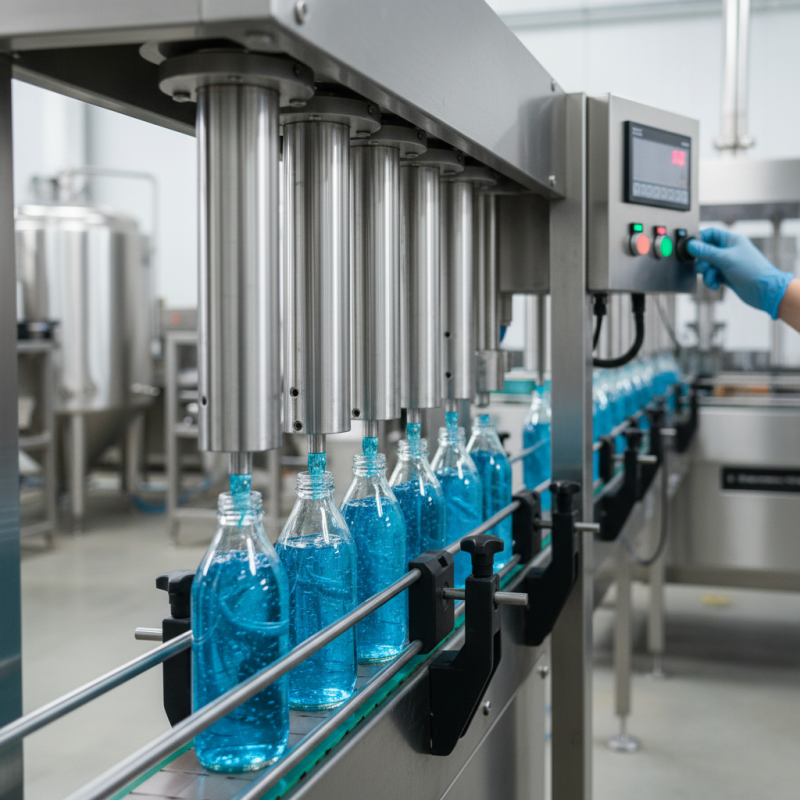
Piston fillers play a crucial role in enhancing packaging efficiency across various industries. These machines use a piston mechanism to accurately dispense liquids and semi-viscous products into containers. In a recent packaging industry report, it was noted that companies implementing piston fillers improve efficiency by up to 30%. This is significant for operations looking to reduce waste and increase output.
One effective tip for optimizing the use of piston fillers is to ensure regular maintenance. Regular checks can help identify potential issues early, preventing downtime. Another important suggestion is to calibrate the filler properly. This ensures that each fill maintains consistency and accuracy. Incorrect calibration can lead to overfills or underfills, impacting material usage and customer satisfaction.
Also, consider the viscosity of your product. Piston fillers excel with thicker liquids, but adjustments may be needed for those with varying thickness. Monitoring the performance regularly can provide insights for necessary refinements. Continuous training for staff operating these machines is another key component. Well-informed operators will manage the machinery more effectively, leading to better results and fewer errors.
Top 10 Piston Filler Tips for Efficient Packaging Success
This chart illustrates the efficiency ratings of ten key piston filler tips, highlighting their importance in achieving optimal packaging results.
Key Factors to Consider When Choosing a Piston Filler for Your Needs
Choosing the right piston filler for your packaging needs requires careful consideration. Efficiency is key in any production line. A suitable piston filler can streamline processes and reduce waste. However, not all fillers are created equal. Understanding the specific requirements of your product, such as viscosity and filling volume, is essential.
One crucial tip is to evaluate the materials used in the filler. Stainless steel options are often preferred for their durability and ease of cleaning. However, some fillers may not offer this benefit. This could lead to hygiene issues. Another tip involves checking the adjustable settings. A good filler allows for customization to meet varied production needs. Flexibility can significantly enhance productivity.
Additionally, consider the filler’s compatibility with different bottle sizes. A model designed for one type may not perform well with others. Lastly, maintenance cannot be overlooked. Regular upkeep ensures optimal performance, preventing costly downtimes. Finding the right piston filler takes time. It’s essential to reflect on these factors carefully to achieve packing success.
Maintenance Tips for Optimal Piston Filler Performance
Piston fillers are essential in many packaging applications. Regular maintenance is crucial for optimal performance. According to industry reports, machinery downtime can cost manufacturers up to $500,000 annually. Therefore, maintaining your piston fillers should be a priority.
Daily checks can significantly improve efficiency. Inspect seals and gaskets for wear. Even minor leaks can lead to product loss and contamination. It's alarming that 30% of mechanical issues stem from insufficient maintenance. Adjusting the filler’s speed can also enhance accuracy. High speeds may seem beneficial, but they can cause splashes and inconsistent fills.
Key metrics indicate that a well-maintained piston filler can increase production rates by up to 25%. Yet many facilities overlook these details. Regular cleaning keeps the machine free of residues and avoids cross-contamination. Don't underestimate scheduling consistent maintenance checks. This small effort can lead to significant gains in your operational efficiency.
Common Mistakes to Avoid in Piston Filling Processes
In the piston filling processes, avoiding common mistakes is crucial for efficiency. A significant error is inaccurate volume measurement. According to a report by Packaging Strategies, up to 15% of products may be overfilled or underfilled due to improper calibration. Such discrepancies not only waste materials but can also lead to customer dissatisfaction.
Another common pitfall is neglecting maintenance on filling machines. Regular maintenance can extend the life of equipment and reduce downtime. The National Association of Manufacturing states that unplanned downtime costs manufacturers an average of $250,000 per hour. Ensuring that every component operates smoothly saves both time and money.
Proper training of operators is often overlooked. Inadequate training can result in poor handling, leading to increased errors in the filling process. Industry studies show that investing in training can improve operational efficiency by 20%. A well-informed team can spot issues early, maintaining product quality and allowing smoother operations.
Top 10 Piston Filler Tips for Efficient Packaging Success
| Tip Number | Tip Description | Common Mistake to Avoid |
| 1 | Properly calibrate the piston filler | Neglecting calibration leading to volume discrepancies |
| 2 | Select the right material for the product | Using incompatible materials that cause clogging |
| 3 | Ensure adequate cleaning of the filling system | Skipping cleaning steps can lead to contamination |
| 4 | Monitor temperature and viscosity | Ignoring temperature effects on filling accuracy |
| 5 | Train personnel on equipment use | Poor training causing operational inefficiencies |
| 6 | Regularly maintain the machinery | Delaying maintenance results in increased downtime |
| 7 | Check for air bubbles in the product | Overlooking air bubbles affecting fill levels |
| 8 | Adjust fill speeds according to product | Incorrect speeds leading to spills or overfills |
| 9 | Implement quality control checks | Skipping quality checks may lead to defective products |
| 10 | Document and evaluate filling processes | Failing to document leads to repeated mistakes |
Innovative Practices to Enhance Piston Filling Accuracy and Speed
Piston filling systems are increasingly critical in achieving packaging efficiency. According to a recent industry report, optimizing filling accuracy can reduce product waste by over 10%. Innovative practices are essential for enhancing both speed and precision in this area.
One effective method is routine calibration of equipment. Regularly checking piston fillers ensures that they are operating within specified tolerances. This practice can significantly minimize discrepancies in fill volume. Additionally, using high-quality sensors helps maintain consistency. However, many facilities overlook sensor maintenance, leading to inaccuracies.
Training operators is another key aspect. Skilled personnel can better identify and troubleshoot issues. Investing in comprehensive training programs has proven to enhance overall efficiency. Studies indicate that proper training can lead to a 15% increase in speed and accuracy. Yet, continuous improvement remains a challenge for many operations, as complacency often sets in. Regularly revisiting training materials is necessary.
 English
  Français