Top 10 Packaging Machinery Manufacturers in China for Global Buyers?
The Packaging Machinery industry plays a crucial role in global supply chains, enabling efficient and effective packaging solutions. In 2022, the global packaging machinery market was valued at approximately $38 billion. It is projected to grow at a CAGR of around 6.5% through 2028, according to market research reports. This significant growth reflects an increasing demand for automated packaging systems across various sectors, including food and beverage, pharmaceuticals, and consumer goods.
China stands out as a dominant player in the packaging machinery landscape. With a combination of innovation and cost-efficiency, Chinese manufacturers are increasingly capturing market shares both domestically and internationally. While quality can vary, many Chinese companies adhere to global standards, providing machinery that meets rigorous international regulations. However, potential buyers must carefully assess suppliers, as not all manufacturers maintain consistent quality.
As global buyers seek reliable sources, understanding the top packaging machinery manufacturers in China becomes essential. This landscape is not without its challenges. There can be discrepancies in service and support. Brands that excel in innovation may not always offer the same reliability in after-sales service. Thus, due diligence remains vital for buyers navigating this complex market.
Overview of China's Packaging Machinery Industry
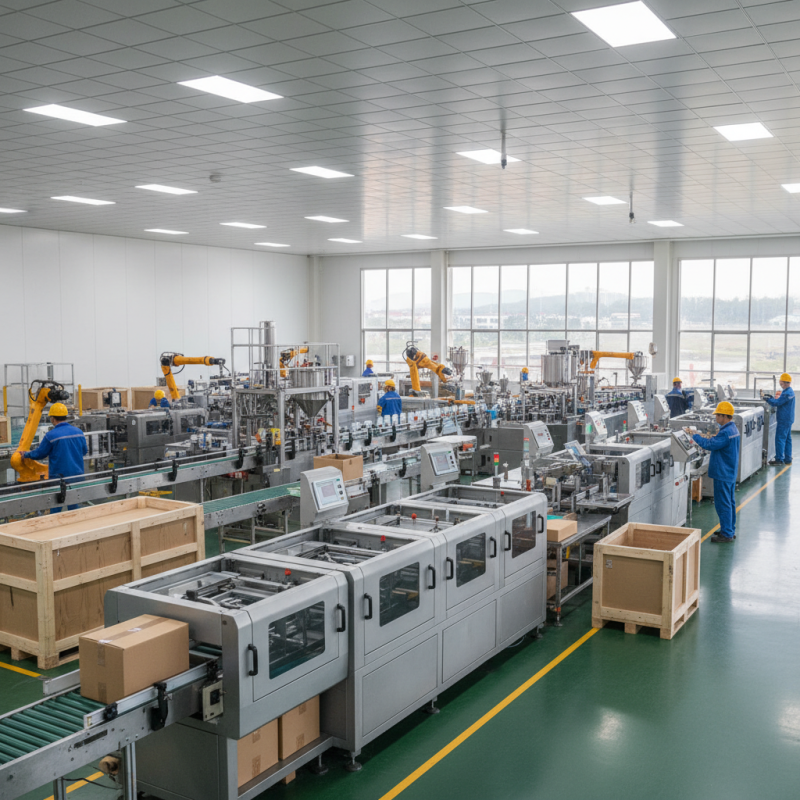
China's packaging machinery industry has experienced rapid growth. In 2021, the market size reached approximately $23 billion. This sector plays a vital role in global manufacturing. The increasing demand for automation drives innovation. Several companies specialize in various technologies, from filling and sealing to labeling.
The industry focuses on sustainability and efficiency. Reports indicate a shift towards eco-friendly materials and energy-efficient machines. Companies are investing in Research and Development (R&D) to enhance performance. However, challenges remain, such as high competition and supply chain disruptions.
Experts suggest that diversification and adopting smart technology are crucial strategies. Industry leaders advocate for a balance between cost and quality. Embracing digitalization could lead to improved productivity. Companies that fail to adapt may struggle in this evolving landscape. Overall, the future holds promise, but it requires continuous effort and innovation.
Criteria for Evaluating Packaging Machinery Manufacturers
When evaluating packaging machinery manufacturers, several criteria stand out as vital. Quality is paramount. Buyers should investigate materials and technologies used in production. High-quality machinery often translates to better performance and longevity. Attention to detail in manufacturing processes can indicate a manufacturer's commitment to excellence.
Experience in the industry matters too. An established player typically has a track record worth examining. Look at the manufacturer’s history, and their adaptability to market trends. Newer companies might bring innovation but lack proven reliability. Don't overlook customer reviews and case studies. Feedback can reveal real-world performance and support.
Lastly, consider after-sales service and support. Manufacturers should offer training, maintenance options, or spare parts availability. This service can significantly impact operational efficiency over time. While many manufacturers promote reliability, the reality may differ. Engaging with previous customers can provide deeper insights into their experiences. Ultimately, thoughtful evaluation of these factors fosters informed decisions for global buyers.
Top 10 Packaging Machinery Manufacturers in China for Global Buyers
| Manufacturer Rank | Annual Revenue (USD Millions) | Number of Employees | Years in Business | Export Markets |
| 1 | 150 | 1200 | 20 | North America, Europe, Asia |
| 2 | 125 | 800 | 15 | Asia, Africa |
| 3 | 100 | 600 | 10 | Europe, South America |
| 4 | 90 | 500 | 8 | North America, Middle East |
| 5 | 85 | 450 | 12 | Asia, Australia |
| 6 | 75 | 350 | 7 | Europe, Africa |
| 7 | 70 | 300 | 6 | North America, Asia |
| 8 | 65 | 250 | 5 | Europe, South America |
| 9 | 60 | 200 | 4 | Asia, Africa |
| 10 | 55 | 150 | 3 | North America, Europe |
Top 10 Leading Packaging Machinery Manufacturers in China
When exploring the landscape of packaging machinery in China, it's essential to recognize the leaders shaping the industry. Various manufacturers excel in specific niches, contributing to the global supply chain. Their advanced technology and innovative solutions cater to diverse sectors, including food, pharmaceuticals, and consumer goods. This diversity enhances the reliability and efficiency of packaging processes.
Each company brings unique strengths to the table. Some specialize in automation, integrating artificial intelligence to streamline operations. Others focus on sustainable practices, developing eco-friendly materials. However, the rapid pace of technological advancements presents challenges. Adapting to new trends requires continuous investment in research and development. Continuous improvement is crucial but can be difficult to maintain.
Quality assurance remains a priority for these manufacturers. Many have implemented rigorous testing protocols to ensure product safety and durability. Nevertheless, inconsistencies can still arise in production processes. Addressing these issues involves ongoing training and development for staff. The commitment to excellence is evident, yet it is an area that requires constant attention.
Key Innovations by Chinese Packaging Machinery Companies
Chinese packaging machinery companies are making significant strides in innovation. These advancements are driven by the need for efficiency and sustainability in the global market. Manufacturers are now focusing on automation technologies to streamline production processes. Smart machinery equipped with AI can adapt to changing production requirements. This allows manufacturers to reduce waste and optimize resource use.
The incorporation of eco-friendly materials in packaging is another key trend. Companies are developing machines that can handle biodegradable and recyclable materials. This shift aligns with a growing emphasis on sustainability across industries. However, challenges remain in standardizing these materials for different machinery types. There is also a learning curve for manufacturers to adapt their technologies to new material specifications.
Collaboration between companies and research institutions is increasingly common. This partnership model fosters innovation in designing smarter, more efficient machines. Nevertheless, integrating new technologies can be complex and may lead to unforeseen issues. Manufacturers must balance innovation with practical implementation to avoid disruptions in production. Continuous improvement is essential in navigating these challenges.
Trends Shaping the Future of Packaging Machinery in China
The packaging machinery industry in China is evolving rapidly. Innovations are being driven by technological advancements and sustainability concerns. Automation is becoming a key focus. Many manufacturers are investing in smart technologies to enhance efficiency. This shift facilitates faster production rates while reducing human error.
Sustainability is also shaping packaging machinery trends. Companies are now prioritizing eco-friendly materials and processes. There is a growing demand for machines that can handle biodegradable packaging. This trend challenges manufacturers to redesign their equipment. Often, the adaptation process requires significant research and development.
However, not all manufacturers are prepared for these changes. Some lack the resources or expertise needed to innovate effectively. This creates an uneven playing field in the market. Nevertheless, those who adapt successfully can potentially lead the industry. Balancing innovation with sustainability remains a critical challenge for all players.
 English
  Français