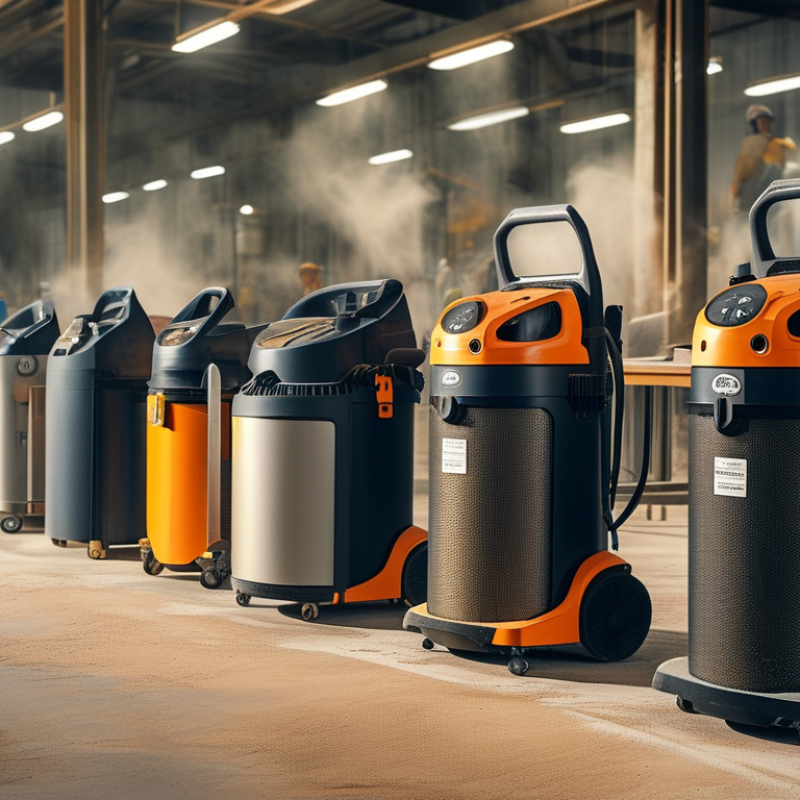
Top 10 Dust Collection Units for Global Buyers to Consider
Selecting the right Dust Collection Unit is crucial for maintaining a clean and safe work environment. Each workspace demands specific characteristics from its dust collection system. Factors like the type of dust generated and space constraints play a significant role in decision-making.
In this guide, we explore the top 10 Dust Collection Units available on the market today. These units cater to a range of applications and come from reputable manufacturers. The options vary in size and functionality, providing solutions for both small workshops and large industrial sites.
While there are many excellent choices, buyers should assess their specific needs carefully. Not every unit will fit every situation. Identifying the right Dust Collection Unit requires understanding your dust type, volume, and budget constraints. This thoughtful approach ensures a wise investment in cleanliness and health.
Top Features to Look for in Dust Collection Units
When selecting dust collection units, several key features stand out. A strong motor is essential for efficient airflow. Units should have a minimum airflow rate of 800 CFM for optimal performance in most tasks. This ensures effective dust extraction without compromising the efficiency of the equipment in use.
Another important feature is HEPA filtration. Reports from the Environmental Protection Agency indicate that HEPA filters can capture 99.97% of particles as small as 0.3 microns. This is particularly vital in woodworking and welding industries, where fine dust particles can pose health risks. Regular maintenance of the filtration system is crucial, as a clogged filter can reduce efficiency drastically.
Durability also matters. Many units are built with heavy-duty materials, extending their lifespan. It's important to consider the noise level as well. Ideally, a dust collection unit should operate below 85 dB to ensure a comfortable working environment. Reflecting on these features can help buyers choose units that meet performance standards while promoting a healthier workspace.
Comparison of Popular Dust Collection Units in the Market
Dust collection units are essential for maintaining a clean and safe workspace. When comparing popular options in the market, several factors come into play. Consider the unit's airflow capacity, filtration efficiency, and noise level. A unit with high airflow can effectively handle debris from various tools. However, it might generate more noise, which can be a concern in a shared space.
When evaluating a dust collector, think about the type of materials you typically work with. Not all units are designed for heavy debris. Some may struggle with fine particles, leading to clogged filters and reduced efficiency. You might find that certain models do not function well over time, necessitating more frequent maintenance. This is often overlooked during the purchasing process.
Remember to prioritize features like portability and ease of use. A versatile dust collector can save you time and effort, especially in a busy workshop. However, don’t overlook the importance of quality, which could mean higher initial costs. The long-term benefits of a durable machine often outweigh temporary savings. Balancing quality with practicality is a challenge many face, but it’s crucial for achieving satisfactory results.
Evaluation Criteria for Selecting the Right Dust Collector
When selecting a dust collection unit, several criteria warrant careful consideration. The type of dust generated in your workspace plays a crucial role. Different applications can produce varied particulate sizes and compositions. Assess whether your environment generates fine dust, heavy debris, or a combination of both. This understanding will guide your choice of filtration system.
Another important factor is the unit's airflow rate. Aim for a system that provides sufficient airflow for your workspace size. An underperforming collector will leave particles in the air. Additionally, consider ease of maintenance. Dust collectors should have accessible components for efficient cleaning and filter replacement. This affects long-term reliability and performance.
Lastly, noise level is often overlooked. Many collectors produce significant noise, which can be disruptive. Check the decibel ratings and consider any sound-dampening options. Reflecting on these factors can significantly influence operational efficiency. The right dust collector enhances air quality and workplace safety.
Maintenance Tips to Ensure Optimal Performance of Dust Collection Units
Maintaining dust collection units is crucial for their efficiency and longevity. Regular visual inspections are essential. Operators should look for signs of wear, such as loose fittings or clogs. A study from the U.S. Environmental Protection Agency highlights that poorly maintained dust systems can lose up to 20% of their efficiency. Routine maintenance, including cleaning filters and checking motor performance, keeps the system operating effectively.
Filters should be replaced or cleaned frequently. Industry reports indicate that maintaining clean filters improves air flow by 15%. Dirty filters not only hinder performance but can also lead to increased energy costs. A simple pressure gauge can help monitor filter condition, alerting operators when maintenance is needed.
Training staff on proper maintenance protocols is often overlooked. Many systems fail simply because operators are not aware of their importance. Regular maintenance training sessions can enhance knowledge and operational safety. Ignoring these aspects can result in downtime and costly repairs. Therefore, investing in a consistent maintenance schedule is vital for optimal dust collection performance.
Top 10 Dust Collection Units Performance Comparison
User Reviews and Feedback on Top Dust Collection Units
User reviews and feedback play a vital role in choosing the right dust collection unit. Many users appreciate powerful suction capabilities. They often highlight how effectively these units capture fine particles. Some reviewers note improved air quality in their workshops. This change makes a noticeable difference in overall health.
However, not all experiences are positive. Users sometimes mention noise levels that can become quite bothersome. One user expressed frustration over the installation process, finding it more complicated than expected. Few have noted short-lived filters that require frequent replacements. This highlights the need for regular maintenance and awareness.
In contrast, several reviews point out exceptional customer service. This aspect helps users feel supported in their choices. Ultimately, feedback reveals both strengths and weaknesses in dust collection units. Prospective buyers should consider real-world experiences when selecting equipment. Being informed leads to more satisfying purchases in the long run.
 English
  Français