What is Special Purpose Machinery and How Does It Benefit You?
Special Purpose Machinery (SPM) plays a critical role in various industries. Companies increasingly rely on SPM to enhance productivity and efficiency. According to a report by MarketsandMarkets, the global market for specialized machinery is projected to reach $100 billion by 2025. This growth indicates a strong demand for tailored equipment that meets specific operational needs.
Implementing Special Purpose Machinery often leads to significant cost savings and better quality outputs. For example, custom machines reduce manual errors and enhance precision in manufacturing processes. Industry leaders report that SPM can increase production rates by up to 30%. However, developing such machinery requires careful planning and considerable investment.
While the benefits are considerable, challenges exist. Not every company can afford the upfront costs associated with SPM development. Additionally, maintenance and operational training are crucial for ensuring effectiveness. As the landscape evolves, businesses must weigh the immediate costs against longer-term gains to remain competitive.
What is Special Purpose Machinery?
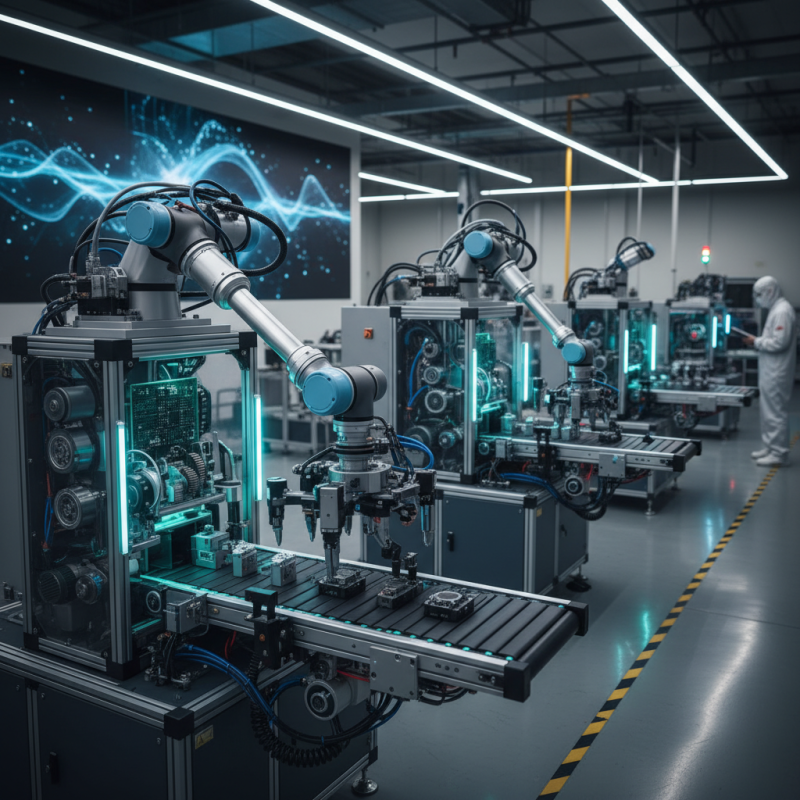
Special Purpose Machinery (SPM) refers to machines designed for specific tasks in manufacturing and production. These machines are not general-purpose. They are tailored to meet unique needs. Industries like automotive, food processing, and pharmaceuticals often rely on SPM. Such machinery enhances efficiency and precision.
For instance, in the automotive sector, special purpose machines can assemble complex parts with high speed. They often reduce the risk of human error. However, they may also pose challenges. Initial investment costs can be high. Maintenance may require specialized skills. Businesses must weigh these factors carefully.
Industries benefit markedly from SPM. Customization enhances output quality. It can lead to higher consumer satisfaction. Yet, reliance on such machines also demands continuous evaluation. Businesses should consider advancements in technology. They must remain adaptable to stay competitive in a dynamic market.
Special Purpose Machinery Benefits Overview
This bar chart represents the benefits of using special purpose machinery in various sectors. Increased efficiency is the most significant benefit, followed by cost reduction. Improved quality, custom solutions, and time savings also contribute to the overall advantages.
Key Characteristics of Special Purpose Machinery
Special purpose machinery (SPM) refers to machines designed for specific tasks. These machines are often custom-built to meet unique production needs. Industries such as automotive, food processing, and pharmaceuticals heavily rely on SPM. According to recent industry analysis, over 50% of manufacturing processes can benefit from specialized machines, maximizing efficiency and reducing waste.
A key characteristic of SPM is its precision. These machines can achieve tolerances of less than a millimeter, crucial in sectors where accuracy is paramount. Additionally, SPM often integrates automation features. This allows for higher production rates and consistent quality. Industry reports indicate that automated SPM can improve productivity by up to 30%. However, companies must ensure proper training for staff to operate such complex systems, reflecting on their operational capacity regularly.
Tip: Regular assessment of your SPM's performance can highlight areas for improvement. Identifying and addressing these gaps can lead to significant long-term gains. Balancing speed and quality is vital, and this can be a tricky aspect to manage. Another suggestion is to keep an eye on maintenance schedules, as delays can result in costly downtimes. Effective maintenance ensures your machinery runs at optimal efficiency.
Applications of Special Purpose Machinery in Various Industries
Special purpose machinery plays a crucial role across various industries. This type of equipment is tailored for specific tasks, enhancing efficiency and productivity. In manufacturing, special machines streamline repetitive processes. For instance, automated assembly lines can quickly piece together components, reducing labor costs and errors.
In agriculture, specialized machinery like seed planters and harvesters increase yields. These tools are designed to work with precision in varying terrains. Farmers can optimize their land use, ultimately contributing to food security. Moreover, in construction, unique machinery helps with tasks such as heavy lifting, demolition, and site preparation. This not only speeds up projects but also minimizes risks associated with manual labor.
While the advantages are clear, challenges persist. Not all businesses can afford this specialized equipment. Maintenance may require skilled technicians, which can complicate operations. Companies must weigh these factors carefully. In a rapidly changing market, relying solely on advanced machinery may lead to unforeseen issues. Balancing innovation with practicality is essential for sustainable growth.
Benefits of Implementing Special Purpose Machinery
Implementing special purpose machinery in various industries can bring significant advantages. This machinery is tailored to perform specific tasks, enhancing efficiency and productivity. According to a report by the International Federation of Robotics, automation in manufacturing can improve productivity by up to 25%. This boost often translates to higher output and reduced costs.
Special purpose machinery minimizes human error, which is a critical factor in production quality. Data from McKinsey suggests that businesses incorporating automation experience a 50% reduction in error rates. This is particularly beneficial in sectors like pharmaceuticals and food processing, where precision matters. However, integrating this technology can present challenges. Companies need to consider the initial investment and the training required for their workforce to operate new machinery.
Moreover, the flexibility of special purpose machinery allows customization to meet specific needs. Industries can adapt machinery for various production processes without extensive downtime. Reports indicate that businesses with adaptive technology can pivot 30% faster in response to market demands. Despite these advantages, some businesses hesitate due to the upfront costs and the potential for rapid technological obsolescence. Understanding these trade-offs is essential for making informed decisions about technological investments.
Considerations for Selecting Special Purpose Machinery for Your Needs
When selecting special purpose machinery, consider your specific needs. Every industry is different. A machine suitable for one operation may not be ideal for another. Think about your production goals. What volume do you need? Is speed a priority? These factors greatly influence your choice.
Next, assess the machinery’s adaptability. Industries evolve rapidly. Machinery that can be reconfigured for different tasks can save time and money. Also, evaluate the training required for your team. A complex machine may need extensive training, which can be a hurdle. Machine reliability is key as well. Equipment downtime can impact productivity and revenue. A robust machine design helps minimize this risk.
Price is another critical factor. While cheaper options may be tempting, consider the long-term investment. Higher up-front costs can lead to better efficiency and lower maintenance. Assess warranties and support services offered. Having reliable after-sales support can ensure your machinery works optimally over time. Balancing all these aspects is vital for making the best decision.
 English
  Français