What is a Roll Lamination Machine and How Does It Work?
In the manufacturing sector, the Roll Lamination Machine plays a crucial role. These machines are essential for producing laminated materials used in diverse applications. According to recent industry reports, the global laminating machine market is projected to reach $1.5 billion by 2025. This growth underscores the significance of roll lamination technology.
Roll Lamination Machines offer several advantages. They enhance product durability and provide resistance to moisture and wear. However, not every facility maximizes their potential. Some operations fail to invest in proper maintenance, leading to suboptimal performance. This highlights a need for better management practices in the industry.
Moreover, understanding how these machines operate is vital. They work by passing material through heated rollers, bonding layers together. The process appears straightforward, yet challenges persist. Companies must consider factors like material compatibility and temperature control. Ignoring these can result in waste and inefficiency. The importance of training operators cannot be overstated, as their skills directly impact output quality.
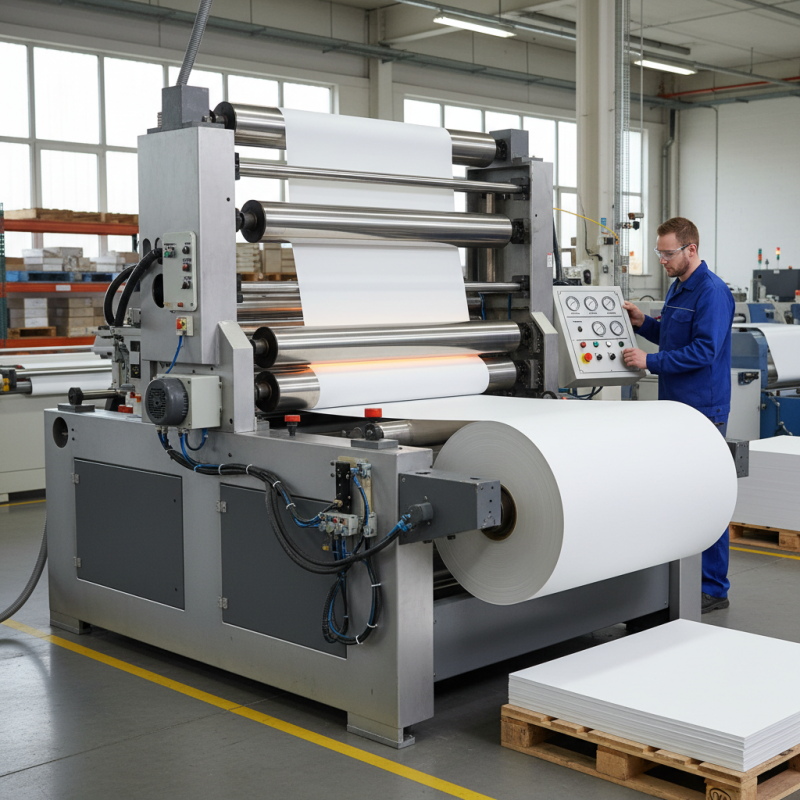
What is a Roll Lamination Machine?
A roll lamination machine is a vital tool in the manufacturing sector. It combines layers of material using heat and pressure. This machine is commonly used for creating durable, waterproof products. It works well with various materials, including paper, plastic, and films.
The process starts by feeding the materials. They pass through heated rollers that apply pressure. The heat activates adhesive layers, bonding them together. Often, the thickness of the laminate varies. This flexibility meets specific project needs. However, achieving the right temperature and pressure requires careful monitoring. Too much or too little can compromise the final product.
Operators must be skilled to manage this equipment. Many manufacturers face challenges during operation. Sometimes, the laminating process leads to undesired bubbles or imperfections. These outcomes prompt reflection on settings and techniques. Continuous improvement is essential for achieving quality results. A well-run roll lamination machine can elevate a product’s overall appeal.
Roll Lamination Machine Usage by Industry
Key Components of a Roll Lamination Machine
A roll lamination machine is essential in various industries. It combines heat and pressure to laminate materials. The key components include rollers, heating elements, and cutting units.
The rollers are critical. They apply uniform pressure to the material. This ensures a smooth finish during the lamination process. It's vital that the rollers maintain a tight grip. If not, defects can occur. Rollers need regular inspection for wear and tear.
Heating elements also play a crucial role. They provide the necessary heat to activate the adhesive. Temperature control is paramount. Too high can damage materials; too low may result in inadequate bonding.
Tip: Always monitor the temperature closely. A digital display can help you keep track.
Cutting units finish the process. They trim excess materials to precise dimensions. This helps in achieving the desired product size. Regular maintenance is key here too; dull blades can affect quality.
Tip: Replace blades periodically to avoid inconsistencies. Keeping a well-maintained machine improves overall efficiency.
The Working Principle of Roll Lamination
Roll lamination is a widely used technique. It combines multiple layers of materials to create a durable product. The process involves feeding materials through heated rollers. These rollers apply pressure and heat, bonding layers together effectively.
The working principle is quite straightforward. Materials are aligned correctly at the entrance. As they pass through the rollers, they are softened by heat. This allows the layers to merge. It’s critical for the temperature to be right. Too much heat can cause damage. Too little heat won’t bond properly.
Often, operators find inconsistencies. The alignment must be perfect. If the sheets shift, the final product may be flawed. Initial adjustments can take time. But with practice, operators learn the machine's quirks. Small mistakes can lead to waste. It’s essential to monitor the process closely for efficiency.
Applications of Roll Lamination Machines in Various Industries
Roll lamination machines play a significant role across various industries. They are commonly used in packaging, automotive, and electronics. In packaging, these machines apply laminated layers to materials. This process enhances durability and aesthetics. In automotive manufacturing, roll lamination improves sound insulation and heat resistance. The electronics sector uses these machines to create flexible circuits, ensuring reliability in devices.
Tips: Consider the thickness of the materials you use. Not all machines handle every thickness well. Test materials before scaling production.
In construction, roll lamination creates composite materials. This application offers strength and lightweight properties. The textile industry utilizes these machines for coating fabrics. The result is water resistance and added functionality. Despite their benefits, machine maintenance is crucial. Neglect can lead to inefficiencies.
Tips: Regularly check for wear and tear. This practice saves time and money in the long run. Pay attention to machine calibration, too. Proper settings make a difference.
What is a Roll Lamination Machine and How Does It Work? - Applications of Roll Lamination Machines in Various Industries
| Industry | Application | Benefits |
| Packaging | Creating flexible packaging materials | Enhances barrier properties and durability |
| Electronics | Manufacturing electrical components and circuits | Improves conduction and insulation |
| Automotive | Combining materials for lightweight parts | Reduces overall vehicle weight and increases fuel efficiency |
| Textiles | Laminate fabrics for upholstery and garments | Increases durability and water resistance |
| Construction | Creating composite materials for insulation | Enhances thermal efficiency and reduces energy costs |
| Healthcare | Fabricating medical devices and packaging | Ensures sterility and safety |
| Consumer Goods | Producing laminated surfaces for furniture | Improves aesthetics and longevity |
Maintenance Tips for Roll Lamination Machines
Maintaining a roll lamination machine is crucial for smooth operation. Regular maintenance can extend its lifespan. According to industry reports, machines that receive proper care can last up to 15% longer than those that don’t. Skipping basic care can lead to significant downtime.
One essential tip is to keep the machine clean. Dust and debris can affect performance. A simple cleaning can improve functionality. Weekly wipe-downs can make a big difference. Don’t forget to check the rollers. They should be free of any residue.
Another important aspect is lubrication. Regularly lubricating moving parts is vital. Neglected machines face wear and tear faster. A schedule for lubrication can help avoid costly repairs. Finally, inspect connections and wires frequently. Loose connections can cause unexpected malfunctions. Being proactive can yield lasting benefits.
 English
  Français