What is Plasma Torch and How is it Used in Industry?
The Plasma Torch is a powerful tool in modern industrial applications. It generates high-temperature plasma by ionizing gas, achieving temperatures exceeding 20,000 degrees Celsius. According to a report by MarketsandMarkets, the plasma cutting market is projected to reach USD 5.3 billion by 2025, highlighting its increasing relevance in various sectors.
Industries such as manufacturing, automotive, and aerospace rely on Plasma Torches for precision cutting and welding. Their ability to cut through a variety of materials, including metals and plastics, makes them invaluable. However, the operational costs and energy consumption are often points of concern. Companies must weigh efficiency against these factors to optimize their investment.
Moreover, the effectiveness of Plasma Torches can vary. Factors such as equipment maintenance and operator skill play critical roles in achieving quality results. Hence, organizations must continuously evaluate their processes. Investing in training and upgrade solutions may enhance the overall performance of Plasma Torch systems. Adapting to advancements in technology can lead to better outcomes in the long run.
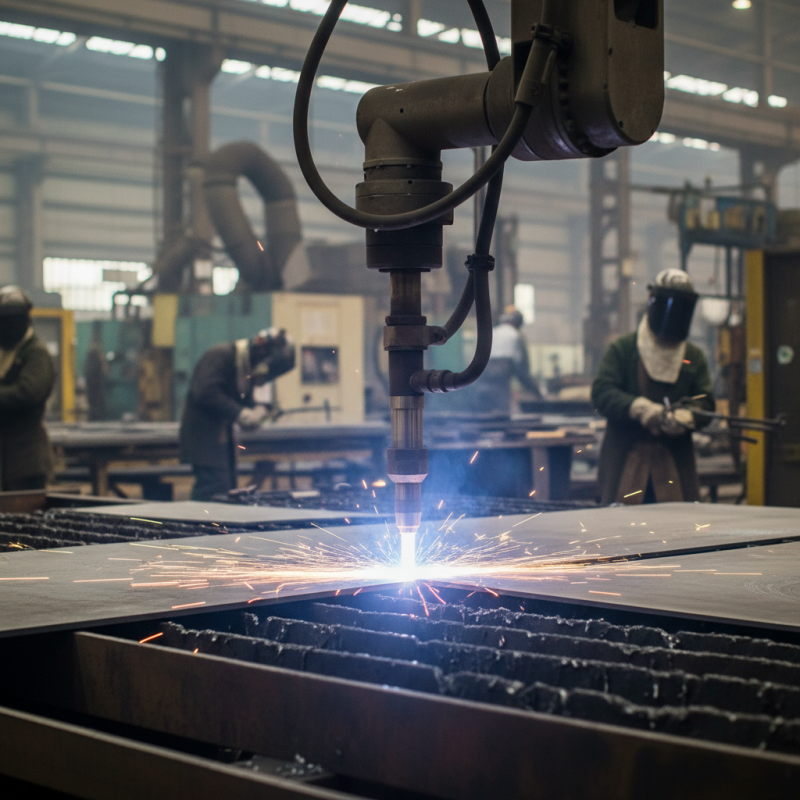
What is a Plasma Torch?
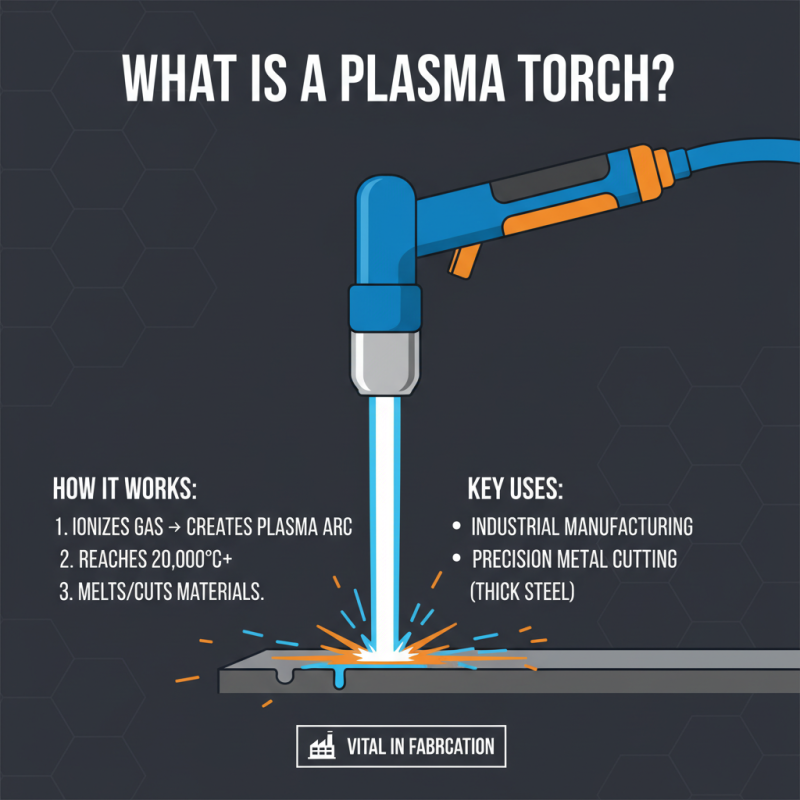
A plasma torch is a tool that generates an arc of plasma, created when gas is ionized. It utilizes high temperatures to melt materials or to cut metals. In industrial applications, plasma torches play a vital role in manufacturing and fabrication. They can reach temperatures exceeding 20,000 degrees Celsius. This extreme heat is useful for cutting thick steel with precision.
The versatility of plasma torches is noteworthy. In metalworking, they are essential for cutting, welding, and surface treatment. According to a report from the International Journal of Manufacturing Technology, plasma cutting can improve efficiency by up to 30% compared to traditional methods. Industries like automotive and aerospace heavily rely on these tools. They allow for intricate designs and reduce material wastage.
However, the use of plasma torches comes with challenges. Operators must manage safety due to high temperatures and bright arcs. Proper training is required. In addition, maintenance is crucial for consistent performance. Neglecting maintenance can lead to malfunctions and increased downtime. As industries evolve, the demand for skilled operators and reliable equipment will continue to grow. Adaptation and continuous improvement are key to leveraging the full potential of plasma technology.
The Science Behind Plasma Technology
Plasma technology is a fascinating field with roots in physics. At its core, plasma is a state of matter, similar to gas, but with charged particles. It forms when gas is energized to the point that electrons break free from atoms. This creates a mixture of ions and electrons, making plasma highly conductive. Industries benefit greatly from this unique property.
In manufacturing, plasma torches create high-temperature plasma jets for cutting and welding metals. They operate at temperatures that can exceed several thousand degrees Celsius. This allows for precise cuts and strong welds. The speed and efficiency of plasma cutting reduce material waste and lower operational costs. However, this technology can be challenging to master. Incorrect settings can lead to poor-quality cuts and increased wear on equipment.
Plasma technology also reaches beyond cutting. It's used for surface treatment, sterilization, and even in electronics manufacturing. As exciting as this technology can be, it requires careful handling and understanding. Training is critical for operators to ensure safety and precision, as the power of plasma can be both an asset and a potential hazard. The evolution of plasma applications continues to inspire innovation, but it also demands responsibility and awareness of its limitations.
Common Applications of Plasma Torches in Industry
Plasma torches are powerful tools used in various industries. They feature a high-energy arc that ionizes gas, creating a plasma jet. This intense heat can cut, weld, and treat materials with precision. The applications are wide-ranging and include metal cutting, surface treatment, and waste management.
In the metal fabrication industry, plasma torches excel in cutting through thick steel. This technology produces clean cuts with minimal distortion. Its speed and accuracy reduce production time. However, operators must ensure proper safety measures due to the high temperatures involved.
Plasma torches also play a vital role in surface treatments. They prepare surfaces for coatings by removing contaminants. This enhances adhesion and prolongs the life of the coatings. Some industries still struggle with effective surface treatment methods. Rethinking these processes could lead to better results and efficiency.
Tips: Always prioritize safety when operating plasma torches. Wear protective gear and ensure a well-ventilated workspace. Regular maintenance of the torch ensures optimal performance and longevity.
Advantages of Using Plasma Torches Over Traditional Methods
Plasma torches have revolutionized various industrial processes. Their ability to generate high temperatures allows considerable flexibility in applications like cutting and welding. Unlike traditional methods that rely on solid or gaseous fuels, plasma torches utilize electrically charged gases. This results in a cleaner and more efficient operation, generating minimal waste.
The advantages of plasma torches are numerous. For instance, they can cut through thick metals with precision. This precision reduces the need for additional finishing processes. Traditional cutting methods often leave rough edges, which require further work. In contrast, plasma cutting achieves a smoother finish in one pass. The adaptability of plasma technology across materials is also noteworthy. It performs well on metals, plastics, and even ceramics.
However, it's essential to recognize some limitations. The initial investment in plasma technology can be high. Additionally, operators need specialized training. Understanding these potential hurdles is crucial for effective implementation. With proper use, the benefits often outweigh these concerns, leading to improved efficiency and lower operational costs.
What is Plasma Torch and How is it Used in Industry? - Advantages of Using Plasma Torches Over Traditional Methods
| Application |
Plasma Torch Advantages |
Traditional Methods |
| Metal Cutting |
High precision and clean cuts |
Rough edges and more cleanup needed |
| Welding |
Faster welding speeds |
Slower and less efficient |
| Surface Treatment |
Improved adhesion properties |
Limited surface preparation |
| Plasma Spraying |
Enhanced durability and resistance |
Weaker coating characteristics |
| 3D Printing |
Ability to create complex geometries |
Limited design freedom |
Safety Considerations and Best Practices in Plasma Torch Usage
Plasma torches are powerful tools used in various industrial applications, including cutting and welding. However, their operation involves significant safety concerns. Understanding these risks is essential for anyone using plasma technology.
One vital safety consideration is proper personal protective equipment (PPE). Operators should wear flame-resistant clothing, gloves, and face shields designed for high temperatures. This gear reduces the risk of burns and injuries. Regularly inspect and maintain the PPE to ensure its effectiveness.
Proper workspace organization is another crucial aspect of safety. Keep flammable materials away from the plasma torch area. Also, ensure that the workspace is well-ventilated. Accumulated gases can lead to hazardous situations. Operators should remain aware of their surroundings and avoid distractions while working with plasma tools.
Tips: Always perform a thorough inspection of the plasma torch before use. Look for signs of wear or damage. Familiarize yourself with emergency procedures for accidents. Understanding how to respond can mitigate risks significantly. Also, consider attending training sessions for enhanced knowledge and skills in plasma torch operation.
Plasma Torch Usage in Different Industries
This chart illustrates the usage frequency of plasma torches across various industries. Manufacturing leads with 30% usage, followed by Automotive at 25%, Aerospace at 20%, Construction at 15%, and Shipbuilding at 10%. Understanding these trends is essential for safety considerations and best practices in plasma torch usage.
 English
  Français