What is a Fanless PC and Why Should You Consider It?
A Fanless PC represents a new trend in computing technology. Unlike traditional PCs, this design eliminates fans, relying instead on passive cooling. This results in a machine that operates silently, making it ideal for quiet environments. Home offices, libraries, and studios benefit greatly from the lack of noise.
One significant advantage of a Fanless PC is its durability. Without moving parts, there is less wear and tear over time. Dust accumulation is also reduced, leading to a longer lifespan. Many users find a fanless setup visually appealing as well. The sleek design fits seamlessly into modern aesthetics. However, it's essential to consider the thermal management of a Fanless PC.
Performance may vary with workload. Heavy tasks could lead to thermal throttling if not managed well. Users must assess their needs carefully. A balance between silence, design, and functionality is crucial. Fanless PCs are not for everyone, but for specific use cases, they can be a remarkable solution.
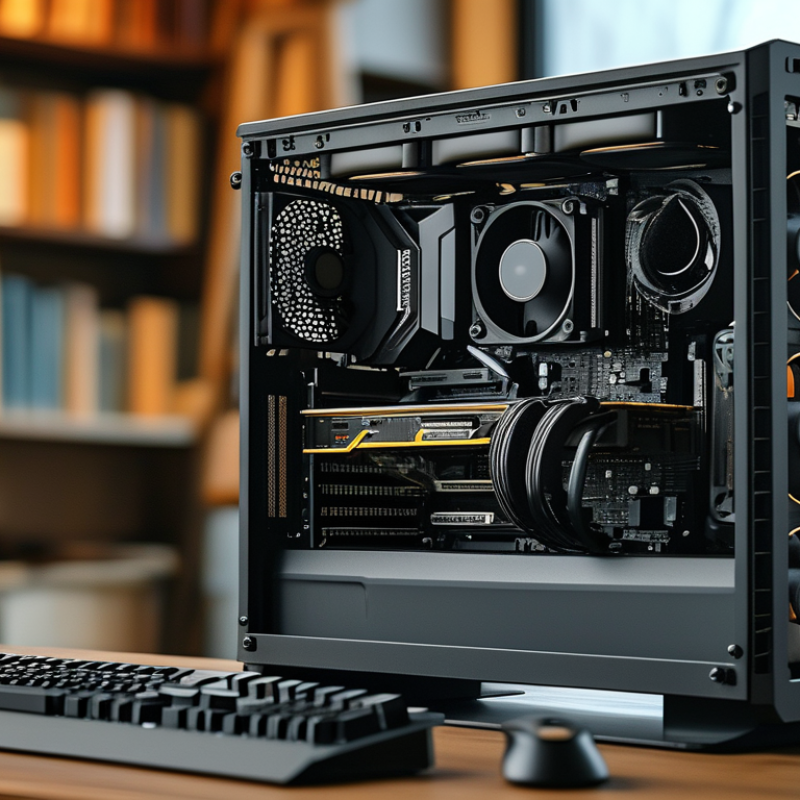
What is a Fanless PC?
A fanless PC is a computer system designed without traditional cooling fans. This technology relies on passive heat management. By using heat sinks and natural convection, it eliminates the noise produced by fans. According to a report by the International Data Corporation (IDC), fanless systems are projected to grow by 15% annually.
These systems are favored for specific settings, such as libraries and hospitals, where quiet operation is essential. Many professionals appreciate their reliability, as they have fewer moving parts. This can result in a longer lifespan and lower maintenance costs. A study by Gartner suggests that fanless designs can operate in temperatures between -20°C to 70°C, making them suitable for challenging environments.
When considering a fanless PC, think about your specific needs. If silence is a priority, a fanless system may be right for you. However, assess the workload to ensure that the cooling capabilities meet your demands. Sometimes, performance might be affected in high-intensity tasks.
Consider the benefits against the potential limitations. A fanless PC could be the perfect solution for certain applications but may not suit every user.
Key Features of Fanless PCs
Fanless PCs are becoming more popular due to their unique features. They operate without traditional cooling fans, leading to several benefits. One key advantage of a fanless design is reduced noise. These PCs run silently, making them ideal for quiet environments like libraries or offices.
A fanless PC is also more reliable. With no moving parts, there is less risk of mechanical failure. This design can improve the device's lifespan, making it a sound option for long-term use. Additionally, fanless PCs are often more energy-efficient. They consume less power because they don’t need to operate fans, which can save on energy costs over time.
When considering a fanless PC, think about the environment where it will be used. Ensure there is adequate ventilation. Even without fans, passive cooling still requires airflow. If you're using it for gaming or graphic-intensive tasks, be mindful of heat generation. A fanless PC may not always handle high performance well.
Don't overlook your specific needs. If noise and space are priorities, a fanless PC may be the right choice. However, if you need robust performance, re-evaluate before deciding. Understanding these factors will help you make an informed choice.
What is a Fanless PC and Why Should You Consider It? - Key Features of Fanless PCs
| Key Feature | Description | Benefits |
| Silent Operation | No fans, leading to a quiet computing environment. | Ideal for quiet spaces like libraries or studios. |
| Durability | Fewer moving parts reduce wear and tear. | Longer lifespan and less maintenance needed. |
| Compact Design | Often smaller and more lightweight than traditional PCs. | Easy to fit in tight spaces or to carry. |
| Energy Efficient | Lower power consumption than traditional fan-cooled systems. | Reduced electricity bills and a lower carbon footprint. |
| Heat Management | Passive cooling technology utilizing aluminum heat sinks. | Maintains optimal operating temperatures without noise. |
Advantages of Using a Fanless PC
Fanless PCs are becoming popular for various reasons. One major advantage is their silent operation. With no fans spinning, these devices produce minimal noise. This makes them ideal for quiet environments, such as libraries or offices. Additionally, they generate less heat. Without fans, the overall design is simpler, allowing for more compact builds.
Power efficiency is another notable benefit. Fanless PCs typically consume less energy than traditional systems. This leads to lower electricity bills and a reduced carbon footprint. Users can enjoy superior performance in energy-efficient ways. Builders often design fanless systems using high-quality materials that enhance longevity.
Investing in a fanless PC can also mean less maintenance. Without moving parts, the risk of hardware failure decreases. Fewer components require less monitoring. Users can focus on their tasks rather than dealing with system noise or cooling issues.
To maximize the potential of a fanless PC, consider your specific needs. If you require high processing power, ensure adequate thermal management. Evaluate software demands to avoid overheating risks. This approach provides a balanced performance while maintaining the advantages of a fanless design.
Common Applications for Fanless PCs
Fanless PCs are increasingly popular in various applications due to their unique advantages. One common use is in industrial environments. These PCs operate silently, making them ideal for workplaces where noise can be disruptive. Eliminating fans also reduces the ingress of dust, which is vital in factories and exposure-prone areas. This helps maintain a clean operating environment and prolongs the lifespan of the device.
Another application can be found in digital signage. Since fanless PCs do not rely on moving parts, they are more reliable for continuous operation. Placed in public settings, such as shopping malls or airports, they withstand the rigors of extended use without overheating. This reliability enhances their appeal for businesses looking to convey their message effectively and without interruptions.
In addition, fanless designs are often chosen for home automation systems. Their compact nature allows for easy integration into smart homes. Users appreciate the silent operation in a domestic setting where ambient noise is crucial. However, it’s worth noting that while these systems are efficient, they may struggle in high-performance tasks. Users must weigh these limitations against the benefits of silent operation and reliability.
Considerations When Choosing a Fanless PC
When choosing a fanless PC, several factors need consideration. One significant point is thermal management. Fanless designs rely on passive cooling, making them quieter. According to a report by MarketsandMarkets, the global fanless PC market is set to grow by 18% annually due to rising demands for quieter systems. However, passive cooling can limit performance under heavy workloads.
Another aspect is the intended use. Fanless PCs are ideal for environments where dust and noise are concerns. They are commonly used in industrial settings and embedded systems. Nevertheless, their performance may not suit high-end gaming or demanding applications. Understanding your needs is crucial.
Lastly, energy efficiency plays a key role. Fanless systems generally consume less power. A study by the International Energy Agency emphasizes the importance of energy-efficient devices in reducing carbon footprints. However, potential users should be aware that energy savings may not be substantial in all cases. Choices should be aligned with specific performance requirements and environmental goals.
Performance Comparison of Fanless PCs vs Traditional PCs
This bar chart compares the performance metrics of Fanless PCs and Traditional PCs across different categories. As seen in the chart, Fanless PCs excel in Noise Level and Energy Efficiency while maintaining competitive CPU Performance and Heat Management compared to their traditional counterparts.
 English
  Français