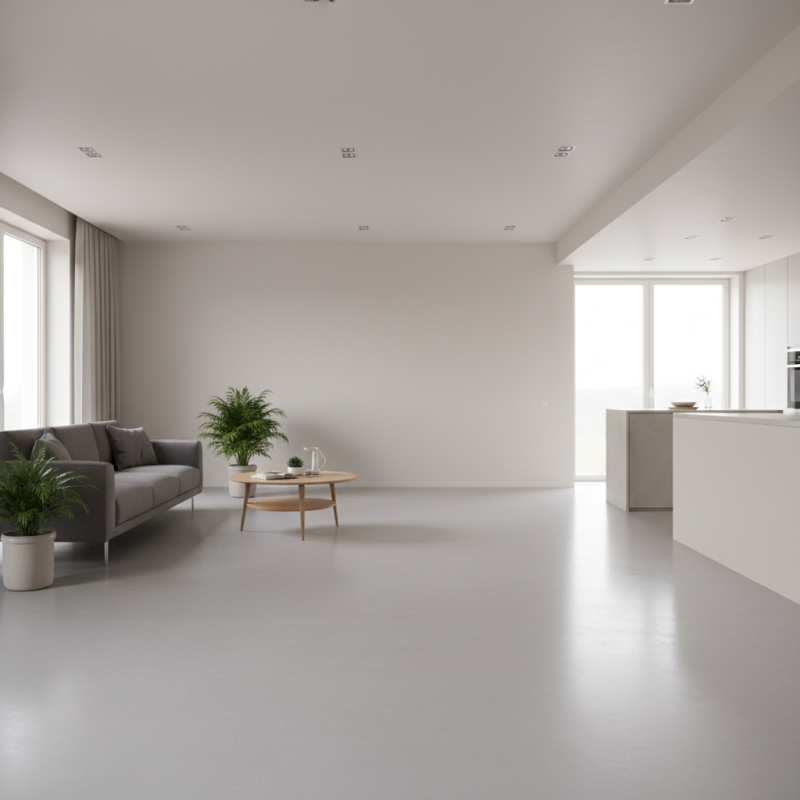
How to Choose the Best Homogeneous Floor for Your Space?
Choosing the right flooring can significantly impact your space. One popular option is the homogeneous floor. This type of flooring offers a seamless and uniform appearance. It’s durable and easy to maintain, making it ideal for various environments.
When selecting a homogeneous floor, consider the specific needs of your space. Think about foot traffic, style, and usage. This choice might seem straightforward, yet many overlook essential details. For instance, the wrong color choice can make a small room feel even smaller.
It's also crucial to reflect on long-term maintenance. While homogeneous floors are designed for easy cleaning, specific finishes may require special care. Therefore, weigh the benefits against the drawbacks thoughtfully. A well-informed choice can enhance your environment and create a lasting impression.
Understanding Homogeneous Flooring: Definition and Types
Homogeneous flooring is a versatile choice for various spaces. It consists of a single layer of material, making it durable and easy to maintain. You can find it in many styles, from classic to contemporary. The consistency of color and texture throughout the material sets it apart from other flooring types.
When selecting this type of flooring, consider the thickness and resilience. Thicker options often offer better sound insulation. Some finishes provide more slip resistance, important for safety in homes or workplaces. Pay attention to the wear layer too. A thicker wear layer usually means increased longevity.
Tips: Test samples in your space. Natural light can change how colors appear. Don’t rush the decision. It's easy to fall in love with a design but reflect on your lifestyle needs. Recognize that some choices may not suit the intended room functions. Balancing aesthetics with practicality is key.
Evaluating Your Space: Factors to Consider Before Choosing Flooring
When evaluating your space for flooring, consider light and foot traffic. Natural light can alter the appearance of flooring. A darker room may benefit from lighter hues, creating an illusion of space. In contrast, a well-lit area could accommodate darker tones without overwhelming the senses.
Foot traffic levels are crucial. High-traffic areas require durable materials. Think about living rooms or hallways. They need more robust options. On the other hand, bedrooms may allow for softer options. Reflect on the furniture layout too. Open spaces can support larger patterns, while smaller rooms might suit subtle designs better. It’s essential to balance aesthetics with functionality.
Additionally, think about your lifestyle. Consider pets, kids, or frequent gatherings. Each factor influences the flooring choice. Perhaps certain materials could struggle with stains, scratches, or fading. You might prefer something easier to clean but feel it compromises on beauty. It’s this careful reflection that leads to satisfaction in your final choice.
How to Choose the Best Homogeneous Floor for Your Space? - Evaluating Your Space: Factors to Consider Before Choosing Flooring
| Factor | Description | Recommended Flooring Type |
| Traffic Level | Assess the volume of foot traffic in the area. | Commercial Grade Homogeneous Vinyl |
| Moisture Exposure | Consider potential exposure to moisture in the environment. | Waterproof Homogeneous Flooring |
| Aesthetic Preferences | Choose styles and colors that match your decor. | Patterned Homogeneous Tiles |
| Durability Requirements | Evaluate how durable the flooring needs to be. | Heavy-Duty Homogeneous Options |
| Maintenance Needs | Consider how much upkeep you are willing to do. | Low Maintenance Homogeneous Flooring |
| Installation Method | Choose a flooring type that aligns with your installation preferences. | Glue-Down or Loose Lay Homogeneous Flooring |
Comparing Material Durability: Longevity of Homogeneous Flooring Options
When selecting homogeneous flooring, durability matters. Homogeneous materials have a reputation for lasting longer than other flooring types. According to a recent industry report, high-quality homogeneous flooring can withstand wear for 20 years or more. In contrast, some standard vinyl options might only last a decade. This difference is crucial for busy areas.
Understanding the longevity of materials helps you make informed decisions. For instance, ceramic and porcelain offer excellent resistance to scratches and moisture. While they are durable, installation may be tricky. On the other hand, some budget-friendly options may lack structural integrity. Choosing a cheaper option could lead to premature replacement.
Tips: Consider the specific demands of your space. High-traffic areas need tougher materials. Look for warranties that reflect durability, indicating confidence in the product. Remember, investing in durable flooring can save money in the long run. Always assess your lifestyle needs when choosing a material.
Aesthetic Considerations: Color and Design Choices for Your Space
When choosing a homogeneous floor, aesthetics play a crucial role. The color and design you select can transform your space. Bright colors may expand a room, creating an airy feel. In contrast, dark shades offer warmth and intimacy. Think about the mood you wish to convey with your flooring.
Consider the overall design of your space. A sleek, modern look often pairs well with minimalist colors. On the other hand, intricate designs elevate a traditional theme. Pay attention to existing furnishings. Your floor should complement, not clash. If in doubt, opt for neutral tones. They provide versatility and match various styles.
**Tips:** Use sample swatches to visualize how different colors influence your room. Take time to live with the samples. Observe how lighting affects your choices. Trust your instincts; sometimes, the best decisions come from feelings rather than calculations. Reflect on how you want the space to feel every day.
Installation and Maintenance: Ensuring Longevity and Performance
When it comes to installing a homogeneous floor, careful preparation is crucial. Poor installation can lead to uneven surfaces and costly repairs later on. Start by ensuring the subfloor is clean and dry. Any debris can compromise adhesive bonds. Use appropriate tools to achieve a smooth base. This step may seem simple, but neglecting it can hinder your flooring’s performance.
Maintenance plays a vital role in the longevity of your floor. Regular sweeping and mopping can prevent dirt buildup. However, using the wrong cleaning solution can damage the floor’s surface. Always choose products that are compatible with your specific type of flooring. Despite simple maintenance tasks, many overlook the need for preventive measures. For example, placing mats at entryways can reduce wear. It’s the little things that make a significant difference over time.
Remember, routine checks for signs of wear are essential. Even with the best installation, minor issues can arise unexpectedly. Addressing them early prevents more extensive damage later. Evaluate your floor’s condition frequently, and don’t hesitate to adjust your cleaning schedule if necessary. Imperfections are part of any home, but addressing them thoughtfully can enhance your flooring’s life.
 English
  Français