How to Choose the Right Stainless Steel Keel for Your Project?
Choosing the right stainless steel keel is crucial for any maritime project. This component significantly impacts durability and performance. According to industry reports, the global stainless steel market is projected to reach $130 billion by 2026, driven by increased demand in shipbuilding.
Selecting the appropriate stainless steel keel requires careful consideration of various factors. Different grades of stainless steel possess unique properties, such as resistance to corrosion and strength. Notably, the grade 316 stainless steel is often favored for marine applications due to its excellent corrosion resistance in saltwater environments.
However, there's a challenge. Not all projects require the same grade or thickness of stainless steel keel. A mismatch could lead to structural failure or excessive costs. It’s essential to assess your project's specific conditions and needs. Ultimately, the right choice enhances safety and performance while being cost-effective.
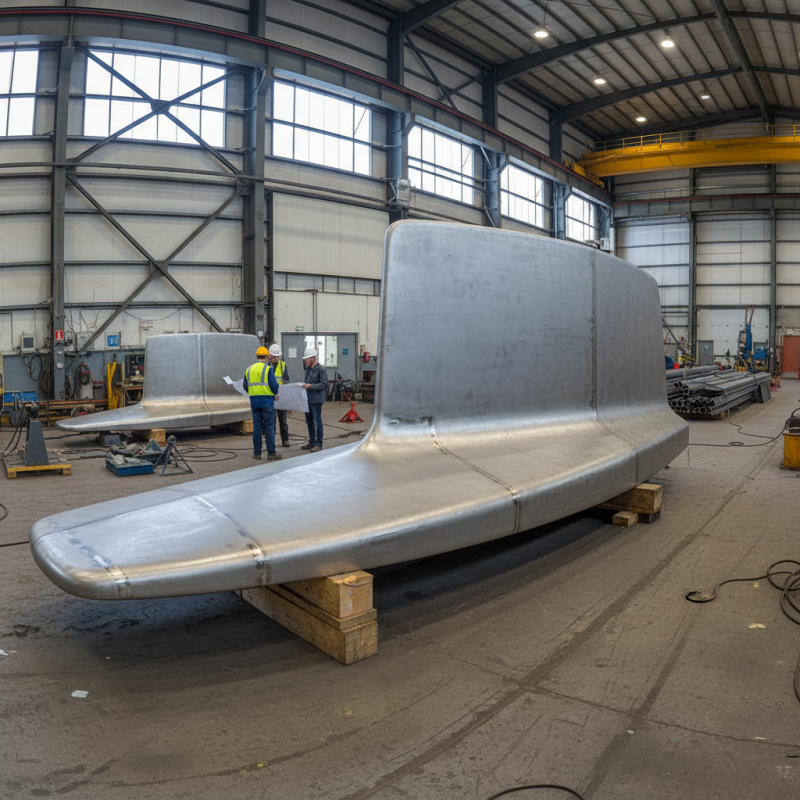
Factors to Consider When Selecting Stainless Steel Keels
When selecting the right stainless steel keel for your project, several factors play a pivotal role. Corrosion resistance is crucial, especially for marine applications. According to a report by the International Stainless Steel Forum, the right alloy can improve lifespan by up to 50%. Think about the environment where the keel will be used. High salinity areas require a more resistant grade.
Another vital aspect is the thickness of the keel. Thicker materials can support greater loads but can add unnecessary weight. A study in the Journal of Marine Engineering found that a balance between weight and strength can enhance performance. If the keel is too heavy, it affects speed and maneuverability.
Cost is often a concern. Opting for a cheaper option might save money initially, but it can lead to higher long-term expenses due to maintenance and replacements. Many projects fail to factor in the total cost of ownership, which can be a mistake. Investing in a quality stainless steel keel can yield better results over time, making it essential to weigh all these factors carefully.
How to Choose the Right Stainless Steel Keel for Your Project? - Factors to Consider When Selecting Stainless Steel Keels
| Factor | Description | Recommended Stainless Steel Grade |
| Corrosion Resistance | The ability of the steel to withstand rust and corrosion. | AISI 316 |
| Strength | Required tensile and yield strength for the project. | AISI 304 |
| Weldability | Ease of welding and joining to other components. | AISI 309 |
| Temperature Resistance | Ability to maintain strength at high or low temperatures. | AISI 310 |
| Cost | Consideration of budget and material costs. | AISI 304 (Most cost-effective) |
| Surface Finish | Type of finish required for aesthetic and functional purposes. | Brushed or Polished options depending on preference |
Different Types of Stainless Steel Used in Keels
When choosing a stainless steel keel, understanding the different types of stainless steel is crucial. Stainless steel is generally classified into five main categories: austenitic, ferritic, martensitic, duplex, and precipitation hardening. Each type has unique properties, which can significantly affect performance in marine environments.
Austenitic stainless steel, like 304 and 316 grades, is popular for keels. These grades offer excellent corrosion resistance, essential in saltwater applications. According to the National Marine Manufacturers Association (NMMA), 316 stainless steel is especially favored, with a corrosion resistance increased by 50% compared to 304. However, 316 is more expensive and less strong than martensitic types like 410, which are also considered but offer lower resistance.
Duplex stainless steel combines the benefits of austenitic and ferritic types. It provides high strength and resistance to stress corrosion cracking. Many designers overlook this option. They assume costs are prohibitive, which isn’t always true. Some projects may benefit from the overall durability of duplex grades. In fact, the American Society for Testing and Materials (ASTM) indicates that duplex steels can achieve up to 80% more tensile strength than standard austenitic grades. Choosing the right type of stainless steel requires careful analysis of the specific needs and constraints of the project.
Advantages of Using Stainless Steel for Keel Construction
When considering keel construction, stainless steel stands out for several reasons. Its resistance to corrosion makes it ideal for marine environments. This material withstands harsh conditions without deteriorating quickly. Projects that involve water benefit greatly from this trait. Stainless steel also offers strength and flexibility, essential for the structural integrity of a keel. It can handle significant stress while maintaining its shape.
Another advantage is its aesthetic appeal. Stainless steel has a sleek and modern look that many find attractive. This can enhance the overall design of a vessel. Easy maintenance is another important factor. Regular cleaning keeps it looking new. However, the initial cost can be higher than other materials, which is a point to consider carefully.
Some may overlook the weight factor. While stainless steel provides durability, it can add bulk to a design. This weight needs to be balanced with the vessel’s needs. It’s crucial to evaluate how much weight impacts performance. Taking time to reflect on these details can ensure the right choice. The benefits, despite the challenges, often make stainless steel a preferred material in keel construction.
Determining the Right Size and Weight for Your Project Keel
When choosing a stainless steel keel, size and weight are critical factors. The design of the keel directly affects the stability and performance of your project. According to a report by the American Boat and Yacht Council, a well-sized keel can significantly enhance hydrodynamic efficiency, which can improve overall speed by up to 10%. Knowing which measurements to take can be daunting.
Consider the overall dimensions of your project. A keel that is too large might weigh down your design. This may hinder maneuverability. Conversely, an undersized keel can compromise stability. The industry suggests that for small boats, a keel weight of around 15-20% of the total boat weight is ideal. Yet, achieving this balance can be challenging. Each project comes with its specific requirements and constraints.
It’s essential to account for the materials used as well. Stainless steel offers strength but can be heavier than necessary. The density of stainless steel varies; for example, it ranges from 7.5 to 8.0 g/cm³. Mistakes in weight selection could lead to unforeseen issues, such as increased drag. Be prepared to reassess your choices and calculations throughout your process. There's no one-size-fits-all solution in the realm of keel design.
Choosing the Right Stainless Steel Keel: Size and Weight Analysis
Best Practices for Maintenance and Care of Stainless Steel Keels
Caring for your stainless steel keel is essential for longevity and performance. Regular cleaning is non-negotiable. Use a gentle scrub brush and mild detergent to remove salt, dirt, and grime. Rinse thoroughly with fresh water. Neglecting this step can lead to corrosion and costly repairs.
Inspect the keel often. Look for scratches or signs of wear. Small flaws can become bigger issues if left unattended. Address them promptly. Applying a protective wax can also help shield the surface. This extra layer can make cleaning easier next time.
Avoid using harsh chemicals that can damage the finish. If you notice rust spots, act quickly. Use a gentle abrasive to buff them away. Don't wait for the corrosion to spread. It's a reflection of how much care you're giving your keel.
While maintenance might seem tedious, it's necessary. Learning from past experiences can improve your practices. Each project will teach you. Each mistake can inform your future choices. Keeping your keel in top shape ensures smooth sailing for years ahead.
 English
  Français