Why Choose Self Drilling Screws for Your Next Project?
Choosing the right fasteners is crucial for project success. Self Drilling Screws are increasingly preferred in various construction and manufacturing sectors. According to the American Fastener Manufacturers Association, about 60% of industry professionals report improved efficiency when using self-drilling options. These screws eliminate the need for pre-drilling, saving time and labor costs.
Self Drilling Screws feature a unique design that allows them to create their own hole. This simple innovation leads to faster assembly and increased productivity on job sites. A study by the Construction Industry Institute shows that projects using self-drilling screws completed, on average, 20% quicker than those utilizing traditional screws.
While they provide numerous benefits, relying solely on Self Drilling Screws may not be ideal for every application. Some may question their strength in heavier-duty applications. It’s essential to evaluate the specific requirements before selecting fasteners. Understanding the context and material compatibility is key. Overall, Self Drilling Screws can be a game-changer in many projects, but careful consideration is needed for optimal results.
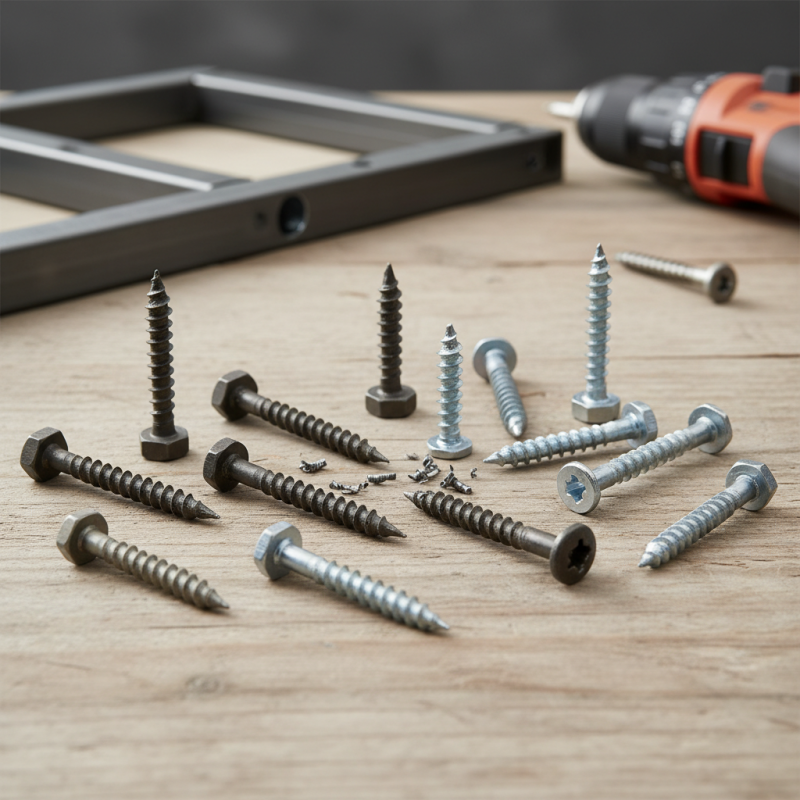
Benefits of Using Self Drilling Screws Over Traditional Fasteners
When considering fasteners for your next project, self-drilling screws offer distinct advantages. Unlike traditional screws, they eliminate the need for pre-drilled holes. This feature saves time and effort. The innovative tip design allows them to drill directly into many materials. Therefore, they are ideal for construction and metalworking tasks.
Using self-drilling screws can enhance efficiency. Projects often stall while waiting for holes to be drilled. With these screws, you can create strong connections faster. This can lead to improved productivity on the job site. Additionally, they reduce the likelihood of misalignment. This means fewer rework and wasted materials.
Tip: Always choose the correct size and type of self-drilling screw for your specific materials. A mismatch can lead to weak joints. Also, consider using screws with different thread designs for ultimate holding power.
Keep in mind that while self-drilling screws simplify installation, they may require more careful handling. Over-tightening can strip the threads, which compromises strength. Take time to adjust your technique if needed. With a little practice, these screws can become a reliable part of your toolkit.
Key Applications Best Suited for Self Drilling Screws
Self-drilling screws are essential in various industries. Their ability to drill and fasten simultaneously makes them ideal for metal and wood projects. Specifically, they excel in applications such as metal framing, roofing, and structural steelwork. Industry reports show that the construction sector widely utilizes these fasteners, accounting for nearly 30% of market demand.
In the automotive industry, self-drilling screws play a crucial role in assembly lines. They reduce labor costs and enhance efficiency by negating the need for pre-drilled holes. Research indicates that using self-drilling screws can improve assembly speed by up to 50%. This can greatly impact project timelines and budget efficiency.
However, not all projects are suited for self-drilling screws. Difficult materials or heavy-duty applications may require alternative fasteners. It's essential to assess the specific needs before finalizing the choice. Some professionals advocate for traditional screws in challenging environments, citing common challenges like strip-out under high torque. Always consider project specifications and material compatibility for the best outcome.
Understanding the Design and Features of Self Drilling Screws
When considering self-drilling screws for your next project, understanding their design is crucial. These screws combine a drill bit and a screw in one piece. The unique tip design allows them to bore into materials without pre-drilling. This feature saves time and effort, especially in tough substrates like metal or concrete.
Using self-drilling screws can lead to better results if you choose the right type. Consider the material thickness and the load the screws will bear. Ensure you select screws with adequate corrosion resistance for outdoor projects.
**Tip:** Always have a backup plan. Sometimes, screws may not hold as expected. Test a few in a sample piece before committing.
Another important aspect is the installation technique. An uneven angle can lead to stripped screws. If the screws don't go in straight, it can weaken the joint.
**Tip:** Use a power driver with adjustable torque settings to prevent over-tightening.
Self-drilling screws can streamline your work. However, understanding their limitations and using them wisely is key to success. Experiment and learn from what works best for your specific applications.
Self Drilling Screws Usage Statistics by Application
Installation Process: How to Use Self Drilling Screws Effectively
Self-drilling screws are becoming increasingly popular in the construction and manufacturing industries. Their ease of use is a significant factor in this trend. Effective installation requires a few essential steps to maximize performance. Proper surface preparation is crucial. Ensure that the materials being joined are clean and free from debris to facilitate secure attachment. According to the Fastener Industry Report, over 40% of failed connections are due to inadequate surface conditions.
Select the right drill point for your application. Not all self-drilling screws are designed the same. For instance, screws with a sharp point can penetrate thicker materials easily. However, choosing the wrong type can lead to stripped holes or poor holding power. The American Society of Mechanical Engineers suggests that using a screwdriver with adjustable torque can also prevent overdriving, which compromises strength.
When fastening, maintain the correct angle. Ideally, the screw should enter at a 90-degree angle for optimal holding strength. Misalignment can cause stripping or damage to the surrounding material. Many professionals recommend practicing this technique on scrap pieces before starting the main project. Small adjustments can lead to significant improvements in final outcomes. Remember, even small errors in installation can have lasting impacts on structural integrity.
Common Misconceptions About Self Drilling Screws Explained
Self drilling screws are often misunderstood. Many believe they are only suitable for lighter materials. However, studies show they can effectively penetrate various substrates, including metal and wood. According to industry data, self drilling screws provide faster installation times. This is due to their ability to drill and fasten in one motion, reducing labor costs and improving efficiency.
Another misconception is their strength. Some claim they lack the durability of traditional screws. In reality, self drilling screws undergo rigorous testing. Reports indicate they can handle impressive loads, making them ideal for structural applications. The tensile strength of these screws often exceeds that of standard lag bolts when used appropriately.
Yet, not all self drilling screws are created equal. Proper selection based on material and application is crucial. Misapplication can lead to failure, which emphasizes the need for informed choices. Education and awareness will help dispel these myths. More professionals should recognize the benefits self drilling screws offer across diverse projects.
Why Choose Self Drilling Screws for Your Next Project? - Common Misconceptions About Self Drilling Screws Explained
| Dimension | Self Drilling Screws | Common Misconception | Reality |
| Material | Galvanized Steel | They rust easily. | Properly coated screws resist corrosion. |
| Length | 1" - 6" | Only available in limited sizes. | Available in various lengths and diameters. |
| Thread Type | Fine, Coarse | Only for wood applications. | Suitable for metal, wood, and masonry. |
| Installation | No pre-drilling required | Complex to install. | Easy and quick installation with power tools. |
| Cost | $0.05 - $0.50 per screw | They're too expensive. | Cost-effective considering time savings and durability. |
 English
  Français