How to Choose the Best 304 Stainless Steel Raw Materials?
Choosing the best 304 Stainless Steel Raw Materials is crucial for various industries. With a global market increasing at a rate of 5% annually, the demand for high-quality stainless steel is on the rise. According to a recent industry report, 304 stainless steel remains one of the most popular choices due to its excellent corrosion resistance and formability. The right raw material can greatly influence the longevity and performance of products.
When selecting 304 stainless steel, factors like chemical composition and yield strength matter. Many manufacturers may not realize that even slight variations in these elements can impact performance. For example, a minimum of 8% nickel content is crucial for achieving optimal corrosion resistance. Despite its popularity, not all suppliers meet these standards, leading to potential failures or increased costs down the line.
Relying solely on suppliers’ claims can be risky. Conducting independent testing and considering certifications can safeguard against subpar materials. Industry experts emphasize the importance of verifying quality to maintain a competitive edge. The pursuit of the best 304 stainless steel raw materials involves constant reflection and reassessment, ensuring that standards are not merely met but exceeded.
Understanding 304 Stainless Steel: Key Characteristics and Benefits
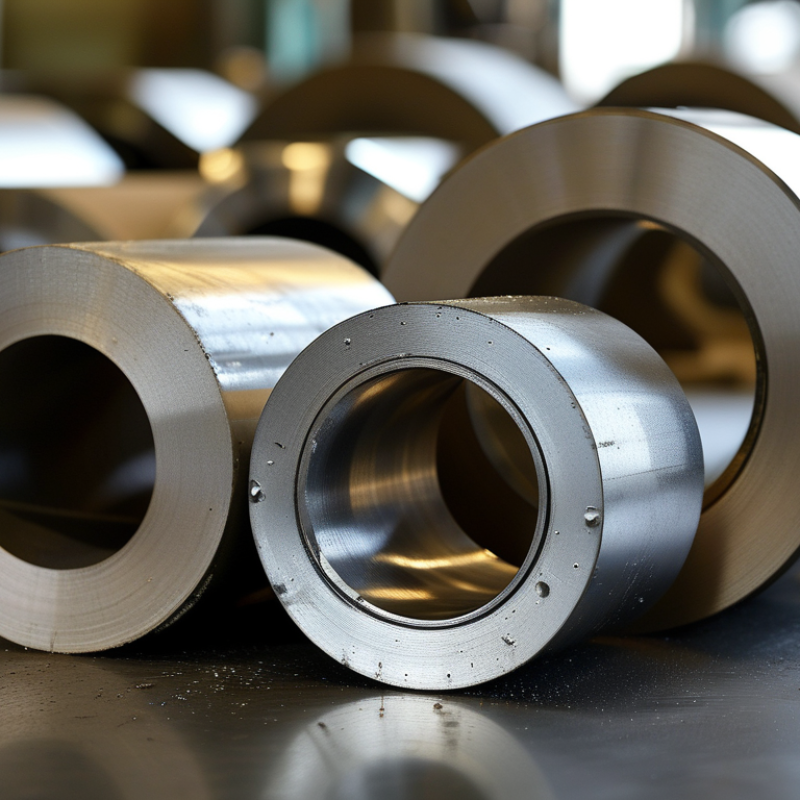
304 stainless steel is known for its durability and versatility. Its composition includes 18% chromium and 8% nickel, which contribute to its excellent corrosion resistance. This makes it ideal for various applications, from kitchen appliances to medical devices. According to a report by the International Stainless Steel Forum, 304 stainless steel accounts for around 50% of the world’s total stainless steel production.
When selecting raw materials, it's crucial to consider the specific characteristics of 304 stainless steel. Key benefits include high tensile strength and resistance to oxidation. However, it can be prone to pitting in chloride environments. For environments exposed to saltwater, you may want to consider alternatives.
Understanding your application will help ensure you get the right grade. If the material is used in food processing, for example, its non-reactive nature is a significant advantage. On the other hand, if you expect high exposure to corrosive chemicals, think about your choices carefully. Always ask for certifications and test reports to verify material quality.
Factors to Consider When Selecting 304 Stainless Steel Raw Materials
Choosing the right 304 stainless steel raw materials involves careful consideration. Look into the chemical composition. Ensure it meets the standards for corrosion resistance and mechanical strength. The low carbon content is essential for reducing the risk of intergranular corrosion. Check for certifications from reliable sources; this can greatly impact the product's quality.
Quality matters. Inspect the finish of the steel. A smooth surface indicates excellent manufacturing processes. This can enhance the longevity of your projects. Pay attention to the thickness and dimensions. Precise measurements contribute to better fitting and reduced waste.
Evaluate suppliers’ reputation. Reach out to previous customers if possible. Their experiences can provide crucial insights. A reliable supplier will often provide samples for testing. This way, you can analyze the material firsthand.
Mechanical properties also play a vital role. Hardness, tensile strength, and ductility should fit the intended application. Sometimes, materials might seem perfect but fail under specific conditions. Therefore, thorough testing and understanding are important for satisfactory results.
How to Choose the Best 304 Stainless Steel Raw Materials?
| Criteria | Description | Importance Level |
| Chemical Composition | Check for correct balance of chromium, nickel, and molybdenum | High |
| Mechanical Properties | Assess tensile strength, hardness, and yield strength | Medium |
| Corrosion Resistance | Evaluate resistance to rust and oxidation | High |
| Surface Finish | Inspect for integrity and uniformity of surface finish | Medium |
| Formability | Consider ease of fabrication and shaping | Low |
| Availability | Check supplier stock and lead times | High |
| Cost | Evaluate price per unit and total cost | Medium |
Different Grades of 304 Stainless Steel and Their Applications
304 stainless steel is a popular choice in various industries due to its excellent corrosion resistance and formability. This grade comprises iron, chromium (about 18%), and nickel (around 8%). These components give it superior resistance to oxidation, helping it perform well in harsh environments. According to a recent market report by Research and Markets, the demand for 304 stainless steel in construction and food processing industries is projected to grow by 7% annually.
Different grades of 304 stainless steel are tailored for specific applications. For instance, 304L, with a lower carbon content, is ideal for welding applications. It minimizes the risk of carbide precipitation during welding. On the other hand, 304H, which has higher carbon content, offers better strength at elevated temperatures. Data from the International Stainless Steel Forum indicates that 304 and its variations account for 50% of the global stainless steel usage, particularly in manufacturing and architectural designs.
While 304 stainless steel is robust, it is not completely impervious to corrosion. Environments with high saline exposure or chloride exposure can lead to pitting. Therefore, it’s crucial for manufacturers to evaluate the environment and consider alternative grades, such as 316 stainless steel, when necessary. Understanding the specific applications and potential limitations of each grade ensures better decision-making in material selection.
Comparison of Different Grades of 304 Stainless Steel and Their Applications
Evaluating Supplier Credibility for 304 Stainless Steel Procurement
When selecting suppliers for 304 stainless steel, evaluating their credibility is essential. Start by researching a supplier's experience in the industry. Long-standing suppliers often have proven track records. Check their certifications and compliance with industry standards. Look for ISO certifications, as they indicate adherence to quality management principles.
Assess customer reviews and case studies to gauge satisfaction. Engaging with previous clients can provide insights into a supplier's reliability. Communication also matters. Suppliers should respond promptly and clearly to inquiries. A transparent dialogue reflects their commitment to quality service.
Take note of any inconsistencies in supplier claims. If something feels off, dig deeper. Cost shouldn’t be the only factor; quality should prevail. Choosing the right supplier today can influence your projects for years to come.
Common Mistakes to Avoid When Choosing 304 Stainless Steel Materials
Choosing the right 304 stainless steel materials can be tricky. Many overlook critical factors that lead to poor decisions. One common mistake is assuming all 304 stainless steel is identical. In reality, variations exist in composition and quality. Always check the chemical composition to ensure it meets your needs.
Another error is neglecting to consider the manufacturer’s reputation. A reliable supplier plays a crucial role. Researching suppliers helps you gauge their credibility. Customer reviews and industry ratings can provide insights that influence your choice. Trustworthy manufacturers focus on quality assurance.
When purchasing, pay attention to surface finish. It's easy to overlook, but surface quality impacts durability and aesthetics. A rough finish can lead to corrosion issues. Ensure that the finish aligns with your project requirements. Don't let the shiny outside mask potential weaknesses within the material.
 English
  Français