10 Best Foot Heel Massagers to Buy in 2026?
Finding the right Foot Heel Massager in 2026 can feel surprisingly difficult. Many models promise deep relief, better circulation, or spa-like comfort. Those claims deserve careful attention.
This guide examines ten popular options using practical criteria: massage intensity, heat control, fit, noise, cleaning, durability, and warranty support. It also considers how each device feels after a long shift, a morning walk, or several hours in tight shoes. Small details matter. A narrow heel cup can create pressure. A hot setting may feel pleasant, but uncomfortable within minutes. Controls should remain simple when your feet are already tired.
Safety matters more than impressive packaging. Readers should follow each manufacturer’s instructions and stop using a device if pain, numbness, swelling, or skin irritation appears. People with diabetes, reduced sensation, circulation concerns, recent injuries, or other medical conditions should ask a qualified healthcare professional before using heated or compressive equipment. A massager is not a substitute for diagnosis or treatment.
No shortlist is flawless. Personal comfort differs, and even an excellent device may not suit every foot shape. I may favor practical usability over flashy features, because that is what tends to matter at home. The selections below balance performance, comfort, independent feedback, and brand transparency. Look closely at the details. The best choice may be the quiet model that fits securely, cleans easily, and earns regular use.
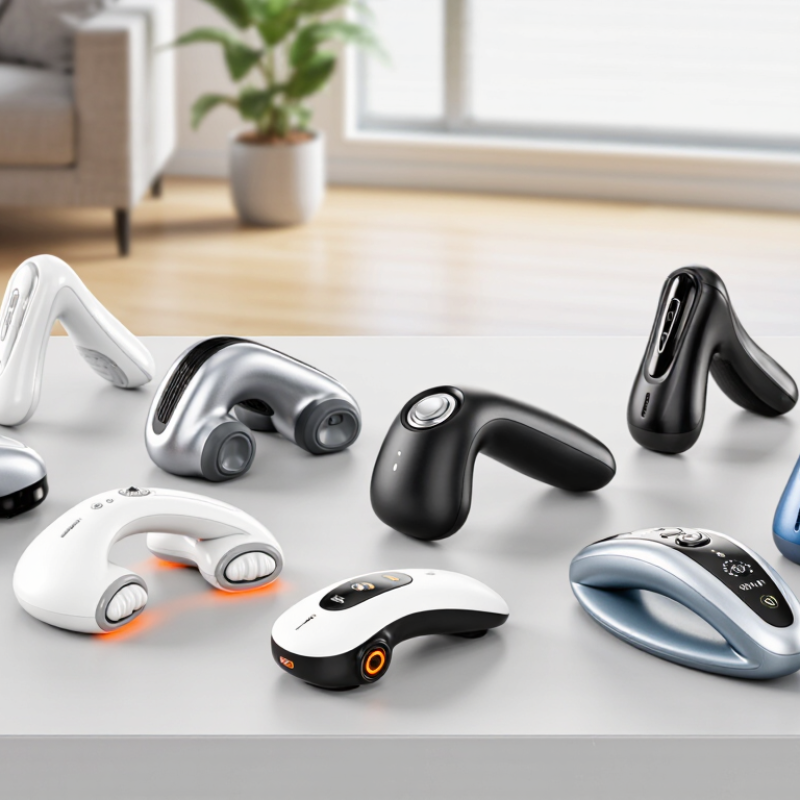
What Foot Heel Massagers Are and How They Work
Foot heel massagers are compact devices designed to stimulate the soles, arches, and heel area. They may use rotating rollers, vibration, air compression, gentle heat, or a combination of these features. Each method creates a different sensation.
Rollers press and move beneath the foot, imitating some parts of manual massage. Vibration delivers rapid, small movements that may reduce the feeling of tightness after standing or walking. Air chambers inflate around the foot, creating rhythmic compression. Heat can make the session feel more soothing, although it does not repair damaged tissue. The effect is mainly temporary comfort.
In practical use, the heel should rest naturally rather than being forced downward. Pressure should feel gentle. A short session of ten to fifteen minutes is usually easier to tolerate than aggressive, prolonged use. Pain, numbness, swelling, or skin irritation is a reason to stop.
People with diabetes, reduced sensation, circulation problems, open wounds, or recent foot injuries should ask a qualified healthcare professional before using one. These devices are not replacements for diagnosis or rehabilitation. I would also question claims promising to cure plantar pain, since relief differs between users and depends on the underlying cause. Results vary. A useful choice should offer adjustable intensity, stable support, clear safety instructions, and washable contact surfaces. The most comfortable setting may still be too strong on a sensitive heel.
Key Features to Consider Before Buying a Foot Heel Massager
Choosing among the 10 best foot heel massagers in 2026 requires more than checking star ratings. Fit matters. Measure your foot and compare it with the device’s internal space. A narrow chamber can press painfully against the heel, while a loose design may feel ineffective. Look for adjustable intensity, separate foot controls, and rolling nodes that reach the heel rather than only the arch.
Heat is optional. For some users, gentle warmth feels relaxing after standing all day. However, it should have a timer and several temperature settings. People with reduced heat sensitivity should seek medical advice before using heated functions. I once preferred the hottest setting, but that choice made my skin uncomfortable after ten minutes. Comfort needs honest testing.
Practical details also matter. Choose removable, washable liners when possible, especially if several people use the massager. A stable base prevents sliding on smooth floors. Clear buttons are easier to use when your feet feel tired. Check the noise level, cord length, storage size, and return policy before buying. Noise matters too. A heavy unit may feel sturdy, but it becomes inconvenient in a small bedroom. Massage should not cause sharp pain, numbness, or lasting soreness. Stop using the device if those symptoms appear, and remember that a home massager supports relaxation rather than treating an underlying condition.
10 Best Foot Heel Massagers to Buy in 2026: Key Features to Consider
This editorial scoring framework ranks the features that matter most when comparing foot heel massagers. Comfort, massage intensity, safety, fit, and ease of cleaning receive the highest weights because they directly affect daily usability and long-term satisfaction.
The 10 Best Foot Heel Massagers to Buy in 2026
The 10 Best Foot Heel Massagers to Buy in 2026
The best foot heel massagers in 2026 should offer controlled pressure, stable support, and simple cleaning. Features matter less than safe, consistent use. The American Podiatric Medical Association reported that 77% of adults have experienced foot pain. That figure shows why home recovery tools remain relevant.
Plantar heel pain affects about 10% of people during their lifetime, according to the 2023 Journal of Orthopaedic & Sports Physical Therapy clinical guideline. However, massage is not a cure. It may temporarily reduce tightness and improve comfort after standing, walking, or exercise. Look for adjustable intensity, a washable surface, and a shape that supports the heel instead of forcing it forward. I once assumed stronger pressure meant better relief. It did not. Excessive pressure made my heel feel tender the next morning.
Tips: Start with five minutes on a low setting. Keep the heel relaxed. Stop if you notice numbness, sharp pain, swelling, or skin irritation. People with diabetes, reduced sensation, circulation problems, or recent foot injuries should ask a qualified healthcare professional before using one. Check the manufacturer’s cleaning and electrical safety instructions, too. A massager that feels pleasant for three minutes may become uncomfortable after fifteen. That difference is easy to overlook.
How to Compare Comfort, Performance, and Safety
Choosing among the 10 best foot heel massagers in 2026 requires more than checking vibration strength. Comfort begins with fit, cushioning, and adjustable pressure. Your heel should rest naturally, without sharp edges pressing against the arch or Achilles area. Try the device for five minutes first. Notice warmth, noise, and whether your toes feel cramped.
Performance depends on useful control rather than maximum intensity. Look for separate settings for rolling, compression, vibration, and heat. A strong motor may feel impressive, but it can become uncomfortable during longer sessions. Check whether the massage reaches the heel, sole, and lower ankle evenly. A timer, washable liner, and easy-to-read controls also improve daily use. Small details matter.
Safety deserves equal attention. Choose models with clear temperature limits, automatic shutoff, stable bases, and accessible emergency controls. People with reduced foot sensation, circulation problems, diabetes, or recent injuries should seek professional advice before using heated or compressive devices. Never sleep while a massager is operating. Inspect cords and surfaces regularly.
No rating is perfect. Personal comfort changes with footwear, activity, and sensitivity. I would record pressure, heat, noise, and recovery after each session instead of trusting advertising claims. A device that feels gentle today may feel excessive after a long walk. That is worth reconsidering.
How to Use and Maintain a Foot Heel Massager Properly
Before using a foot heel massager, inspect the device for cracks, loose parts, or damaged cables. Read its instructions, because pressure and heat settings vary between models. Wash and dry your feet, then sit upright with both feet supported. Start with the lowest setting for five minutes. Stronger is not always better. Stop if you notice sharp pain, numbness, skin discoloration, or unusual swelling. Warmth should feel gentle, never burning. People with diabetes, reduced sensation, poor circulation, open wounds, or recent foot injuries should ask a qualified healthcare professional before use.
Clean the contact surfaces after every session with a slightly damp, soft cloth. Do not pour water into vents, controls, or electrical openings. Let the unit dry completely before storing it in a cool, dry place. Check straps and removable covers weekly for odor, moisture, or wear. A common mistake is using the massager on wet skin, which can increase friction and may damage some devices. Another is using it for too long while distracted. Set a timer. Ten to fifteen minutes is often enough, unless the instructions specify otherwise. If soreness remains the next day, reduce pressure or pause use. I would also record which setting feels comfortable, because memory can be unreliable after a tiring day. A simple log can reveal whether the device helps or merely creates temporary relief.
 English
  Français