Top 5 Benefits of Liquefaction Plants for Sustainable Energy?
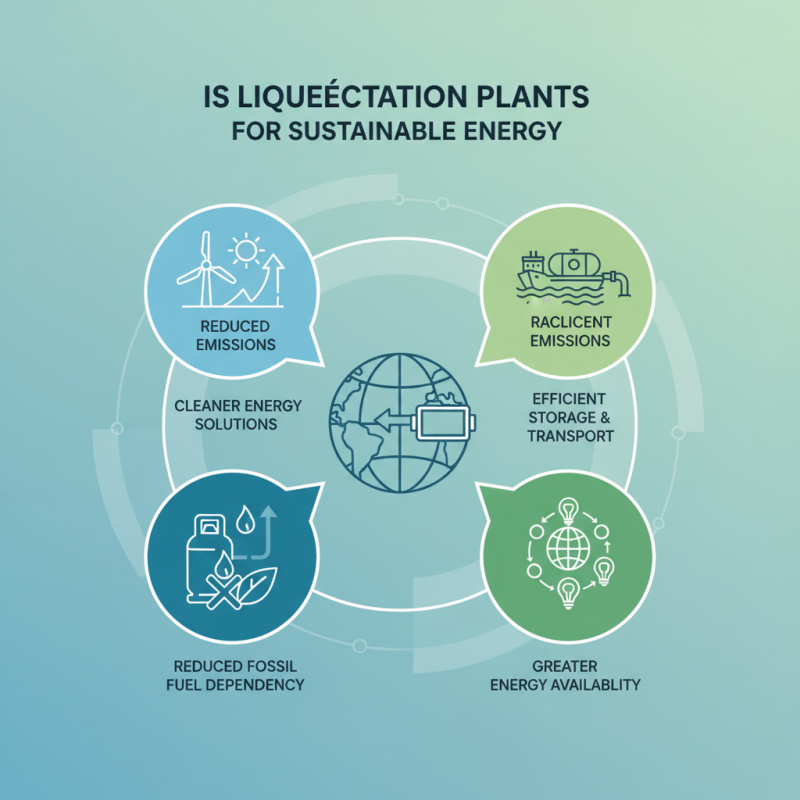
Liquefaction Plants play a crucial role in sustainable energy production. These facilities convert natural gas into a liquid form. This process significantly reduces carbon emissions. Therefore, they support cleaner energy solutions. Liquefaction plants can aid in reducing dependency on fossil fuels.
Investing in liquefaction technology offers various environmental benefits. They allow for the storage and transport of gas more efficiently. This technology can lead to greater energy availability worldwide. However, challenges exist. Frequent debates arise over their environmental impact. Some worry about potential spills or emissions during operations.
Exploring the full advantages of liquefaction plants requires careful consideration. While they promise a cleaner future, potential risks and impacts must be managed. A balance between innovation and safety is essential. The conversation about liquefaction plants is ongoing, and public awareness is vital.
Advantages of Liquefaction Plants in Enhancing Energy Efficiency
Liquefaction plants play a crucial role in enhancing energy efficiency. They convert natural gas into a liquid state, allowing for easier transportation and storage. This process greatly reduces volume, making it more cost-effective for distribution. The environmental benefits are significant, as liquefied natural gas (LNG) can replace heavier fuels that emit more pollution.
Moreover, liquefaction plants can be powered by renewable energy. This opens the door to a more sustainable energy future. Utilizing excess renewable energy for liquefaction processes helps balance supply and demand. However, there are challenges in ensuring the technology remains efficient and has a low carbon footprint. The investment required is substantial, and not all plants operate at peak efficiency.
In addition, community acceptance is often a hurdle. Some regions are hesitant about the risks associated with liquefaction plants, despite the efficiency gains. Ongoing education and communication are essential to address concerns. These plants are not a catch-all solution; continuous improvement and innovation are necessary to maximize their potential for sustainability.
Role of Liquefaction Plants in Reducing Carbon Emissions
Liquefaction plants play a vital role in reducing carbon emissions. By converting natural gas into a liquid form, these facilities can facilitate cleaner energy transmission. According to the International Energy Agency (IEA), LNG has the potential to lower carbon emissions by up to 50% compared to coal. This significant reduction is crucial in combating global warming.
However, the process is not without challenges. Despite the lower emissions, the production and transportation of liquefied natural gas still generate greenhouse gases. A report from the U.S. Energy Information Administration (EIA) highlights that emissions can occur during extraction and processing. Therefore, continuous efforts are needed to minimize these impacts.
Recent studies indicate that integrating renewable energy sources with liquefaction plants can further enhance their sustainability. For instance, using excess solar or wind energy for liquefaction could reduce the overall carbon footprint. Yet, this approach requires investments and innovation. It is essential to find a balance between LNG's benefits and its environmental impact. This ongoing reflection is necessary for a truly sustainable energy future.
Economic Benefits of Investing in Liquefaction Technology
Investing in liquefaction technology presents substantial economic benefits. First, it creates job opportunities in construction and operation. Skilled labor is needed, boosting local employment rates. Many communities thrive when new plants are established. These jobs often lead to higher local spending and improved economic health.
Additionally, liquefaction plants can enhance energy security. Countries can produce liquefied natural gas, reducing reliance on imports. This shift can stabilize energy prices over time. It also decreases vulnerability to market fluctuations. However, some regions may struggle with the transition to this technology, requiring careful management.
Infrastructure investment is another important aspect. Building and maintaining liquefaction facilities can be costly. Initial expenses may deter some investors. Without proper planning, operations could face significant challenges. Yet, when done right, the long-term economic gains can outweigh these concerns, providing a strong foundation for sustainable energy growth.
Integration of Liquefaction Plants with Renewable Energy Sources
The integration of liquefaction plants with renewable energy sources represents a transformative approach in achieving sustainable energy goals. Recent studies indicate that about 30% of global renewable energy capacity can be linked to liquefaction processes. This synergy allows for excess energy from wind and solar to be transformed into liquid fuels. Capturing this energy reduces reliance on fossil fuels.
Moreover, a report from the International Energy Agency highlights that using liquefaction technologies can improve energy storage efficiency. These plants can convert fluctuating renewable energy into stable liquid forms. This flexibility addresses the intermittency issue often faced by solar and wind power. However, the ecological footprint of these liquefaction facilities still needs assessment.
Transitioning to sustainable energy is not without challenges. Data suggests that there are significant emissions related to liquefaction processes. The industry must balance efficiency and environmental impacts. Continuous improvement in technology is essential for minimizing adverse effects. Using renewable integration wisely can be beneficial. Yet, the potential drawbacks need thorough exploration.
Top 5 Benefits of Liquefaction Plants for Sustainable Energy
This chart illustrates the top 5 benefits of integrating liquefaction plants with renewable energy sources, highlighting their role in sustainable energy transition.
Impact of Liquefaction on Energy Security and Supply Stability
Liquefaction plants are increasingly important in today's energy landscape. These facilities convert natural gas into a liquid state, making transportation easier and more efficient. This innovation can enhance energy security significantly. With liquefied natural gas (LNG), countries can diversify their energy sources and reduce reliance on single suppliers. This diversity is essential for stable energy supply.
Supply stability becomes crucial during geopolitical tensions. Countries can store LNG, providing a buffer against supply disruptions. This storage capability can safeguard against price volatility in uncertain markets. However, challenges exist. Not all regions have the infrastructure to support liquefaction. As a result, some nations may face shortages while others thrive.
Furthermore, the development of liquefaction plants requires significant investments. Costs can escalate quickly, creating doubts about economic feasibility. Balancing environmental concerns with energy demands is another struggle. The process must be efficient and environmentally friendly to be sustainable. As we advance, these plants need continuous evaluation to ensure they meet both energy needs and environmental standards.
 English
  Français