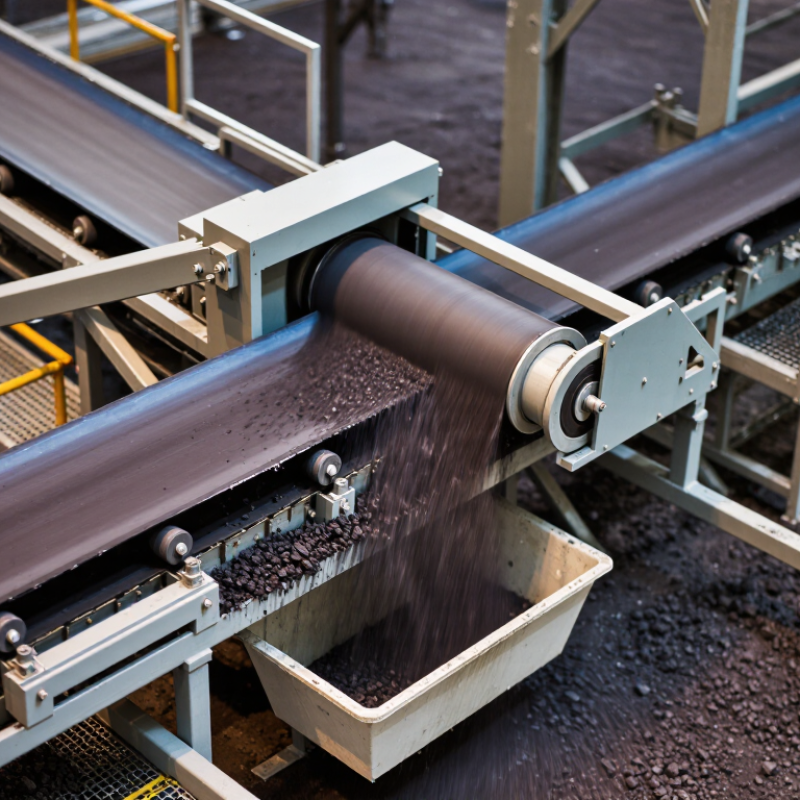
What Is a Belt Cleaner and How Does It Work?

    In bulk material handling, a conveyor belt can look clean while carrying a hidden problem. Fine coal, ore dust, grain residue, and moisture often cling to the belt after discharge. This carryback drops along the return path, creating slippery piles beneath pulleys and walkways. A Belt Cleaner removes that material before it travels farther. Usually mounted near the head pulley, it presses a blade or cleaning element against the moving belt. The belt passes over the cleaner, while residue falls into a controlled collection area. Simple idea. Reliable operation requires careful setup.

    From field inspections, cleaning performance depends on more than blade pressure. Belt speed, material size, moisture, splice condition, pulley diameter, and belt tension all influence results. Excessive pressure can accelerate wear, damage splices, or increase power demand. Too little pressure leaves a visible trail. Correct alignment matters. Modern primary and secondary cleaners may use tungsten carbide, polyurethane, rubber, or other engineered materials. Selection should match the application. Maintenance teams should inspect blade wear, mounting hardware, and material buildup regularly. Manufacturer guidance and site measurements provide a safer basis than guesswork. Still, no cleaner solves every conveyor problem. Poor transfer-point design, mistracking, or a damaged belt may require separate correction. This article explains what a Belt Cleaner does, how its cleaning action works, and which practical factors affect dependable performance. The details are technical, but the test is visible: less carryback, cleaner surroundings, and steadier conveyor operation.

    What Is a Belt Cleaner and How Does It Work?

    What Is a Belt Cleaner and What Purpose Does It Serve?

    A belt cleaner is a device fitted to a conveyor system to remove material from the belt surface. Its main purpose is to reduce carryback, which occurs when damp soil, powder, or product remains after discharge. In daily operation, even a thin residue can fall beneath the conveyor and create slippery work areas. It can also build around pulleys and affect belt tracking. A clean belt supports safer, steadier material handling.

    Most belt cleaners use a wear-resistant blade or brush pressed lightly against the moving belt. As the belt passes, the cleaning edge lifts material away and directs it into the discharge stream. A secondary cleaner may remove the remaining fine film. The correct pressure matters. Too little pressure leaves residue, while too much can increase wear or damage the belt. No cleaner works perfectly in every condition. Moisture, belt speed, material size, and splice design all influence results. Choosing equipment often requires observation and adjustment.

    Tips: Inspect the cleaner during normal operation, not only during shutdowns. Watch for uneven wear, vibration, and material escaping near the edges. Small gaps matter. Keep the cleaning surface aligned with the belt. Replace worn components before they lose consistent contact. Record changes and results, because a setting that works today may fail after moisture or material conditions change.

    Key Components and Their Roles in a Belt Cleaning System

    A belt cleaner removes carryback from a conveyor belt after discharge. Its main parts work together, not separately. The primary cleaner sits against the head pulley and removes thick material first. A secondary cleaner follows behind and scrapes away the thin residue. CEMA’s Belt Conveyors for Bulk Materials, Seventh Edition, evaluates cleaner selection through belt width, speed, material size, and loading rate. These variables matter. A small blade may fail on a high-speed belt carrying wet, sticky ore.

    The tensioning system keeps cleaning pressure stable as the blade wears. Spring, pneumatic, or elastomeric tensioners are common choices. The blade material also affects performance, service life, and belt wear. Polyurethane handles many abrasive applications, while carbide-tipped designs suit demanding conditions. A frame supports alignment, and inspection windows help workers detect uneven contact. The U.S. Bureau of Labor Statistics reported 2.6 million nonfatal workplace injuries in private industry during 2023. Cleaner design cannot prevent every incident, but reducing spillage can improve walking surfaces and housekeeping.

    Tips: Check the blade edge daily. Look for streaks, heat marks, and loose fasteners. Maintain even contact across the belt width. Too much pressure wastes energy and may damage the belt. Too little pressure leaves carryback behind. CEMA guidance is useful, but field conditions often disagree with a catalogue setting. Record moisture, temperature, and material changes before adjusting the system.

    How a Belt Cleaner Removes Material from a Conveyor Belt

    What Is a Belt Cleaner and How Does It Work?

    A belt cleaner removes carryback from the conveyor belt after discharge. Carryback is the thin layer of wet, sticky, or dusty material that remains on the belt. A primary cleaner sits near the head pulley and presses a blade against the belt’s surface. As the belt changes direction, the blade scrapes material away. The removed material falls into the discharge stream instead of returning along the return strand.

    A secondary cleaner works farther downstream. Its softer blade reaches particles left behind by the primary unit. In practice, operators adjust blade pressure, contact angle, and position according to belt speed and material moisture. Excess pressure can increase wear, while weak pressure leaves visible streaks. The CEMA Belt Conveyors for Bulk Materials, 7th Edition, identifies belt speed, particle size, moisture, and adhesion as key cleaning factors. The International Council on Mining and Metals also emphasizes controlling spillage and housekeeping around conveyor systems. These findings support routine inspection, not “set it and forget it” maintenance.

    A practical check uses a clean white card beneath the return belt. Operators can compare residue before and after adjustment. A 2024 bulk-material handling review found that carryback often changes with weather and feed conditions, so one adjustment may not remain effective. That point is easy to underestimate. A cleaner can remove material, but it cannot correct poor loading, belt misalignment, or damaged splices.

    Common Types of Belt Cleaners and Their Applications

    A belt cleaner removes carryback after bulk material leaves the conveyor. CEMA’s Belt Conveyors for Bulk Materials, 7th Edition, identifies belt speed, width, moisture, lump size, and material density as key selection inputs. These variables matter. Wet clay behaves differently from dry limestone.

    The primary scraper sits near the head pulley and pushes off the thickest residue. It suits coarse, sticky, or high-volume material. A secondary cleaner follows behind, using a harder blade or compact contact zone. It removes the thin film left behind.

    Fine powders may need a rotary brush, especially on enclosed or food-handling conveyors. A diagonal plow, mounted on the return side, protects the tail pulley from trapped stones. It is simple, but not a complete cleaning system. Sometimes, an air knife helps with dry, lightweight dust. Moisture defeats it quickly.

    CEMA’s design approach also links cleaner performance with belt tension and pulley geometry. Poor alignment can cause rapid blade wear. Mine safety guidance from the U.S. Mine Safety and Health Administration repeatedly emphasizes guarding, isolation, and controlled cleanup around conveyors. A cleaner reduces spillage, not every hazard. In field inspections, the first selection is sometimes wrong. Material changes seasonally. Recheck the blade, belt surface, and discharge area after installation.

    Installation, Maintenance, and Performance Considerations

    What Is a Belt Cleaner and How Does It Work?

    A belt cleaner removes carried-back material from the return side of a conveyor belt. A primary cleaner contacts the belt near the head pulley. A secondary cleaner removes finer residue that remains after the first pass. This reduces spillage, protects pulleys, and improves housekeeping around transfer points. Small gaps matter. Even a thin layer of buildup can harden on return rollers and increase tracking problems.

    Installation requires accurate positioning, suitable pressure, and a stable mounting frame. The cleaning edge should meet the belt evenly, without excessive force. Too little pressure leaves material behind. Too much pressure can accelerate wear, raise power demand, or damage belt splices. Before adjustment, isolate the conveyor under approved site procedures. Check belt direction, pulley condition, splice clearance, and cleaner alignment. A perfect first setup is uncommon.

    Maintenance should include routine inspections during planned shutdowns. Look for worn blades, loose fasteners, uneven contact, and material packed behind the cleaner. Measure wear rather than relying only on appearance. Moisture, sticky fines, belt speed, and material size all affect performance. Cleaner tension may need seasonal adjustment. Replace worn components before metal parts touch the belt. Keep records of inspection dates, belt condition, and cleaning results. These notes reveal patterns, although real conveyors rarely behave perfectly.

    What Is a Belt Cleaner and How Does It Work? - Installation, Maintenance, and Performance Considerations

    Belt Cleaner Element Typical Configuration Primary Function Installation Considerations Maintenance Guidance Performance Considerations
    Primary belt cleaner Carbide-tipped or polyurethane blade mounted near the head pulley Removes the thick layer of carryback immediately after discharge Align the blade across the belt width and maintain consistent contact without excessive pressure Inspect weekly at first; replace or adjust the blade when wear reduces cleaning contact Best for removing coarse material; incorrect tension can increase belt and splice wear
    Secondary belt cleaner Segmented polyurethane blades or multiple cleaning elements below the head pulley Removes fine particles left behind by the primary cleaner Install after the primary cleaner with sufficient clearance for belt flex and inspection access Check blade wear, buildup, and mounting hardware during scheduled conveyor inspections Improves overall cleaning efficiency and reduces material reaching return-side components
    Water-based cleaner Spray bar, scraper, or brush used with controlled water flow Loosens sticky or water-soluble material from the belt surface Provide drainage, suitable water pressure, splash protection, and compatible wastewater handling Clean spray nozzles and inspect pumps, hoses, seals, and drainage points Can improve cleaning of wet fines but may increase corrosion, freezing, and housekeeping requirements
    Rotary brush cleaner Powered or belt-driven cylindrical brush positioned against the belt Brushes residual fines from textured, cleated, or mechanically fastened belts Set brush-to-belt pressure carefully and confirm correct rotation relative to belt travel Remove buildup and monitor bristle wear, bearings, drive components, and guards Useful for irregular belt surfaces; excessive pressure can accelerate belt or bristle wear
    V-plow or diagonal plow Wear-resistant blade installed on the return side before the tail pulley Prevents trapped material from entering the tail pulley and damaging the belt Mount centrally with adequate clearance from the belt and structure; avoid sharp edges Inspect for blade wear, misalignment, and accumulated material at least weekly Protects pulleys and reduces belt damage but is not a substitute for a head-pulley cleaner
    Mounting and tensioning system Fixed, spring-tensioned, or elastomer-supported frame Maintains controlled cleaning pressure as the blade wears or the belt flexes Use rigid supports, verify shaft alignment, and follow the cleaner’s specified pressure range Check fasteners, springs, pivots, and tension settings during preventive maintenance Stable tension improves cleaning consistency and helps prevent excessive belt contact force
    Inspection and access arrangement Service platforms, guards, inspection doors, and safe adjustment points Enables safe observation, cleaning, adjustment, and component replacement Keep access clear and install guards around rotating parts; isolate and lock out equipment before service Record wear rates, carryback levels, belt tracking, and corrective actions Good access reduces downtime and supports consistent preventive maintenance practices
    Operating environment Dry, wet, abrasive, corrosive, high-temperature, or frozen material conditions Determines the suitable blade material, cleaner type, and maintenance interval Select materials compatible with temperature, moisture, chemicals, belt speed, and material abrasiveness Shorten inspection intervals when carryback, abrasion, temperature, or moisture levels are high Correct environmental selection generally improves service life, belt protection, and cleaning reliability
    General operating note: A belt cleaner works by applying controlled contact or brushing action to remove material that remains on the conveyor belt after discharge. The cleaner should be selected and adjusted according to belt construction, belt speed, material characteristics, pulley diameter, temperature, moisture, and required cleaning level.